You've probably noticed that watches come with water resistance ratings. 30m, 50m, 100m, 300m. But what do these numbers actually tell you? Can you shower in a 50m watch? Swim? Dive?
The simple answer is that water resistance ratings are more complicated than they sound, and there's a lot of confusion out there about what you can and can't do with your watch.
How Water Resistance Is Tested
Watch manufacturers test water resistance in a lab using a pressure chamber, not by actually submerging the watch in water. The watch is placed in a chamber and exposed to air pressure that simulates the pressure of being underwater at a certain depth.
This is important to understand because real-world water exposure is different from lab conditions. In the lab, the watch is stationary. The water isn't moving. There's no impact, temperature change, or sudden pressure changes.
In real life, you move your wrist. Water splashes. You might accidentally bump your watch against something in the water. These factors can exceed the pressure that the test simulates.
What the Numbers Actually Mean
The "m" in water resistance ratings stands for meters of water depth, but it's not directly translatable. A 50m rated watch doesn't mean you can safely dive to 50 meters. Instead, these ratings are conservative guidelines based on lab conditions.
Here's the rough translation most watchmakers use:
3-5m is splashproof. This is enough to survive accidental water exposure, like rain or washing your hands. Don't deliberately submerge it.
10m is water-resistant for light water exposure. Suitable for washing your hands and light rain, but not for swimming or showering. The gaskets are sealed but the watch hasn't been pressure-tested heavily.
20m is also limited. Some manufacturers say it's safe for snorkeling, but honestly, it's a gray area. Stick to washing your hands and rain.
30m is where things get more interesting. This is commonly rated for splash and light water resistance. Showers are a gray area. Many people wear 30m watches in the shower without issue, but it's not guaranteed protection. Avoid anything involving submersion.
50m is a common rating and is generally safe for snorkeling and quick swims. Not diving. Not extended water sports. A short swim at the beach is fine.
100m is suitable for recreational snorkeling, swimming, and water sports that don't involve diving. This is a practical rating for someone who wants to wear their watch comfortably in water without worrying too much.
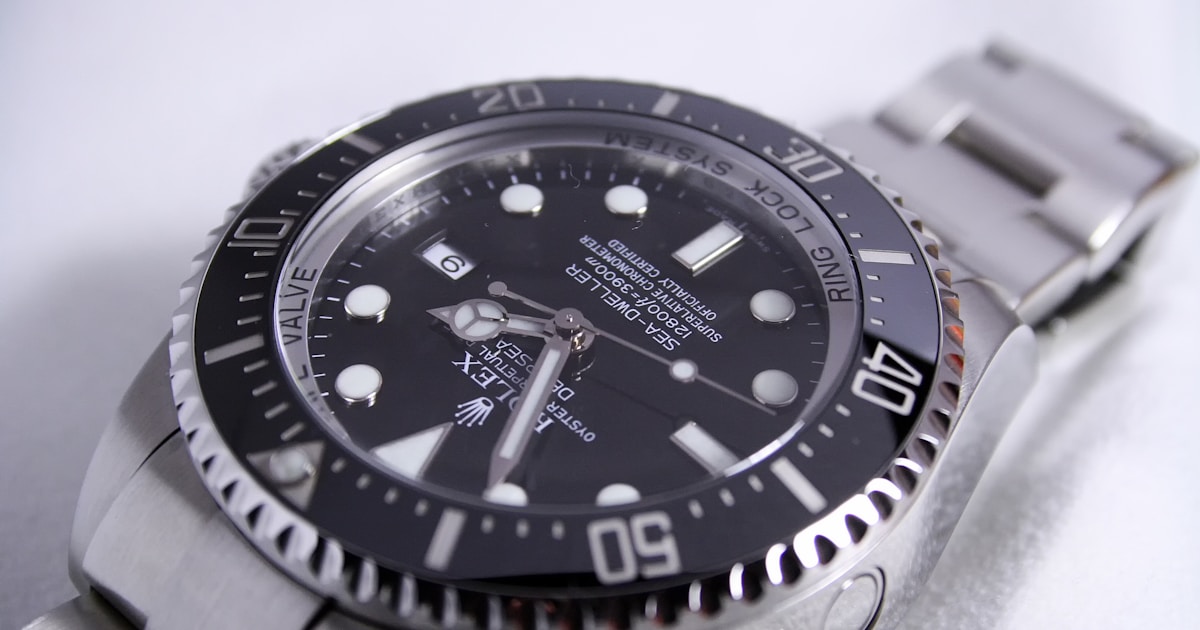
200m and above is diving territory, though even here there are distinctions. 200m is for recreational diving (typically limited to 40 meters underwater). 300m and above is for technical or professional diving.
The Nuances That Matter
The above guidelines assume your watch is in good condition with properly functioning seals. This is where maintenance comes in.
Water resistance depends on gaskets and seals inside the watch. Over time, these wear out, especially if the watch is exposed to temperature changes or if the crown is opened and closed frequently. A watch rated 100m when new might only be 30m after 10 years of wear without service.
The crown is a vulnerability. Even if your watch is sealed, opening the crown to adjust the time breaks the water resistance seal. Some watches have screw-down crowns that maintain water resistance even when opened, but simple pull-out crowns do not. If you're about to go swimming, don't adjust your watch first.
Push buttons on chronographs and diving watches also need to be in good condition. A worn button can let water seep past its seal.
Soap, salt water, and temperature changes stress the seals more than fresh water. After exposure to salt water or hot water, flush your watch with fresh water and dry it carefully. The combination of salt and heat is particularly hard on seals.
When to Get Your Watch Pressure-Tested
If you have a watch you plan to use in water and you're not sure of its condition, have it pressure-tested. A watchmaker can test it for a modest fee, usually under $50.
This is especially worth doing if you've bought a used watch and don't know its history. If you plan to swim or snorkel regularly with a watch that's over five years old, testing makes sense too.
A pressure test is simple and non-destructive. The watchmaker puts your watch in a pressure chamber, simulates the depth rating, and checks whether water enters the case. If it does, they know the seals need replacement.
Maintaining Water Resistance
Keep your watch dry when you're not wearing it. Store it in a cool, dry place. If it's exposed to moisture regularly, moisture can accumulate inside the case over time, eventually causing fogging under the crystal.
Have your crown cleaned periodically. Dust and debris around the crown can interfere with the seal. If your watch has a screw-down crown, make sure it's fully screwed down before water exposure.
After water exposure, especially salt water, rinse your watch with fresh water and dry it with a soft cloth. Don't use compressed air, which can force water into the case. Just let it air dry.
Service your watch according to the manufacturer's recommendations. For watches exposed to water regularly, more frequent service might make sense. During service, the watchmaker replaces all the seals and gaskets, restoring the water resistance rating.
Special Considerations for Divers
If you're serious about diving with a watch, you need a diving watch rated for your planned depth. Diving watches are built differently, with reinforced cases, screw-down crowns, and usually helium escape valves for technical diving.
The rating should be at least 2.5 times the depth you plan to reach. So for a maximum depth of 40 meters, look for a watch rated at least 100m. For deeper work, the multiplier is even higher.
Get your diving watch serviced before each diving season if you're a regular diver. The seals are critical, and a failure at depth can be serious.
Reading Between the Lines
Some manufacturers are more conservative with their ratings. A 50m watch from Brand A might handle water exposure more reliably than a 50m watch from Brand B, depending on how the seals are designed and maintained during manufacturing.
This is one reason reviews and user experience matter. If you're buying a watch specifically for water exposure, see what actual users report about real-world performance.
The Practical Reality
For most people wearing a watch casually, a 50m rating is plenty. You can wash your hands, get caught in rain, and take a quick swim without stress. A 100m rating gives you more confidence for regular water sports.
If you're ever unsure, it's better to take the watch off and leave it safely on the shore. Watches are meant to be worn and enjoyed, but no watch is worth risking over uncertainty about its seals.
And if water does get inside your watch, that's a fixable problem. The sooner you get it to a watchmaker, the less likely corrosion becomes an issue. Don't put off service if you suspect water has entered the case.
Remember that a water resistance rating is just one factor in choosing a watch. It matters if you'll be wearing it in wet conditions, but it's not the only thing that makes a watch good. A watch that keeps accurate time, feels right on your wrist, and suits your style is already doing its job well.