On March 11, the Office of the US Trade Representative opened a Section 301 investigation into Switzerland's manufacturing practices and policies. It's a significant move, and it signals that the tariff pressure on Swiss watchmakers isn't going away anytime soon.
This investigation exists on top of an already complicated tariff landscape. Let's untangle the timeline, because understanding how we got here matters for what comes next.
The Tariff Timeline
Last August, the US imposed a 39% tariff on Swiss imports under the International Emergency Economic Powers Act. It was steep, and it got immediate blowback from the watch industry.
In January 2026, the Supreme Court struck down IEEPA tariffs by a 6-3 decision. Tariffs were set to expire. But within hours, the White House reimposed tariffs under Section 122, a different legal authority, at a flat 10% additional ad valorem on all imports.
Section 122 tariffs have an expiration date. They're valid for 150 days from February 24, 2026. That means they're set to expire around late July, unless Congress extends them. That clock is ticking.
The new Section 301 investigation is separate from this. It could lead to permanent, targeted tariffs specifically on Swiss goods. It doesn't have an expiration date. If the investigation concludes that Switzerland has unfair manufacturing practices or policies that harm US commerce, tariffs could stick around indefinitely.
What This Means for Watches
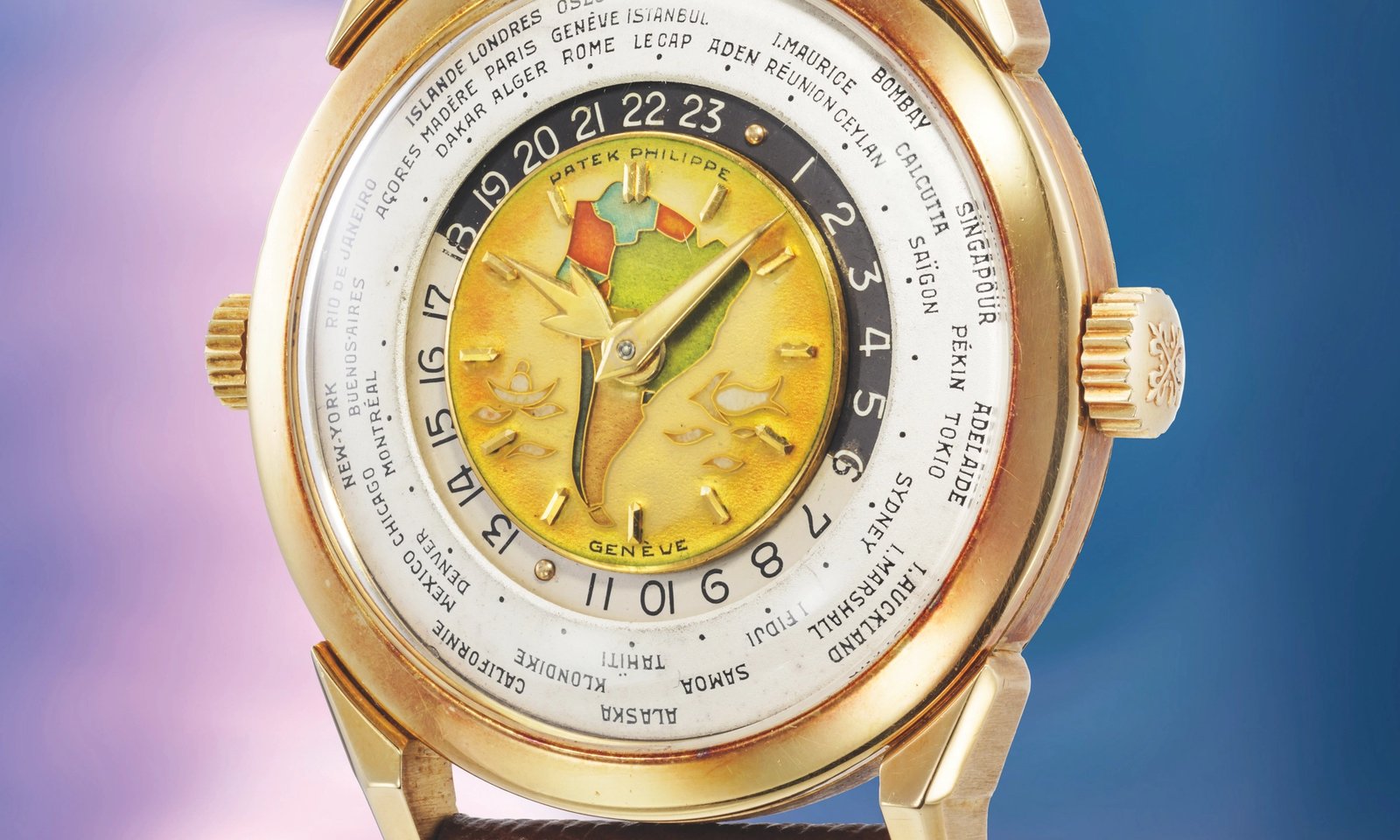
Swiss watchmakers are already operating in a pricing pressure cooker. Brands baked in 7% price hikes at the start of 2026 to absorb expected tariff impacts. Patek Philippe cut US prices by 8% to offset some of the burden on American consumers.
Those price strategies were made with the Section 122 tariffs in mind. They assumed temporary tariffs with a known expiration date. A Section 301 investigation that could yield permanent tariffs changes the calculation entirely.
Brands don't like permanent uncertainty. They want to know whether a tariff is temporary (and therefore baked into pricing as a cost pass-through) or permanent (and therefore baked into the business model itself). Temporary tariffs are a crisis to manage. Permanent tariffs are a reality to restructure around.
Luxury watch brands already operate on tight margins in the US market. A permanent 10% tariff plus potential targeted Section 301 tariffs could force deeper restructuring. Some brands might relocate production. Others might absorb costs and accept lower margins. Some might raise prices further.
The Section 301 Angle
Section 301 investigations typically focus on intellectual property theft, technology transfer policies, forced localization requirements, or other trade practices deemed unfair by the USTR. Switzerland's strong patent protections and manufacturing standards are attractive to watchmakers. But from a trade perspective, there might be pressure around labor costs, protections for domestic manufacturers, or other structural advantages that US policymakers want to scrutinize.
It's also possible the investigation is partly political theater. Demonstrating that you're holding allies accountable on trade matters can be strategically useful, even if the actual investigation takes months.
What Happens Next
The investigation will take time. Section 301 investigations typically last around a year, though they can be accelerated. During that time, the Section 122 tariffs remain in effect and subject to potential Congressional extension.
For collectors, this means pricing will likely remain volatile through mid-2026. For brands, it means pricing strategy is a month-to-month guessing game.
The watch industry isn't alone in this uncertainty. But Swiss watches are particularly exposed. About 80% of Swiss watchmaker exports go to Asia and Europe. The US represents a critical market for luxury brands, but tariffs hit it harder than most, because the US market skews toward high-end, high-margin pieces where price sensitivity is more elastic.
We'll know more as the investigation unfolds and Congressional discussions about Section 122 extension intensify.
Sources
- International Trade Insights, "Section 301 Investigation Into Switzerland Initiated," March 2026
- Grant Thornton, "Swiss Manufacturing Tariff Impact Analysis," April 2026
- Global Trade Alert, "Timeline of US-Switzerland Trade Disputes," 2025-2026
- NBC News, "White House Reimposed Tariffs After Supreme Court Ruling," January 2026