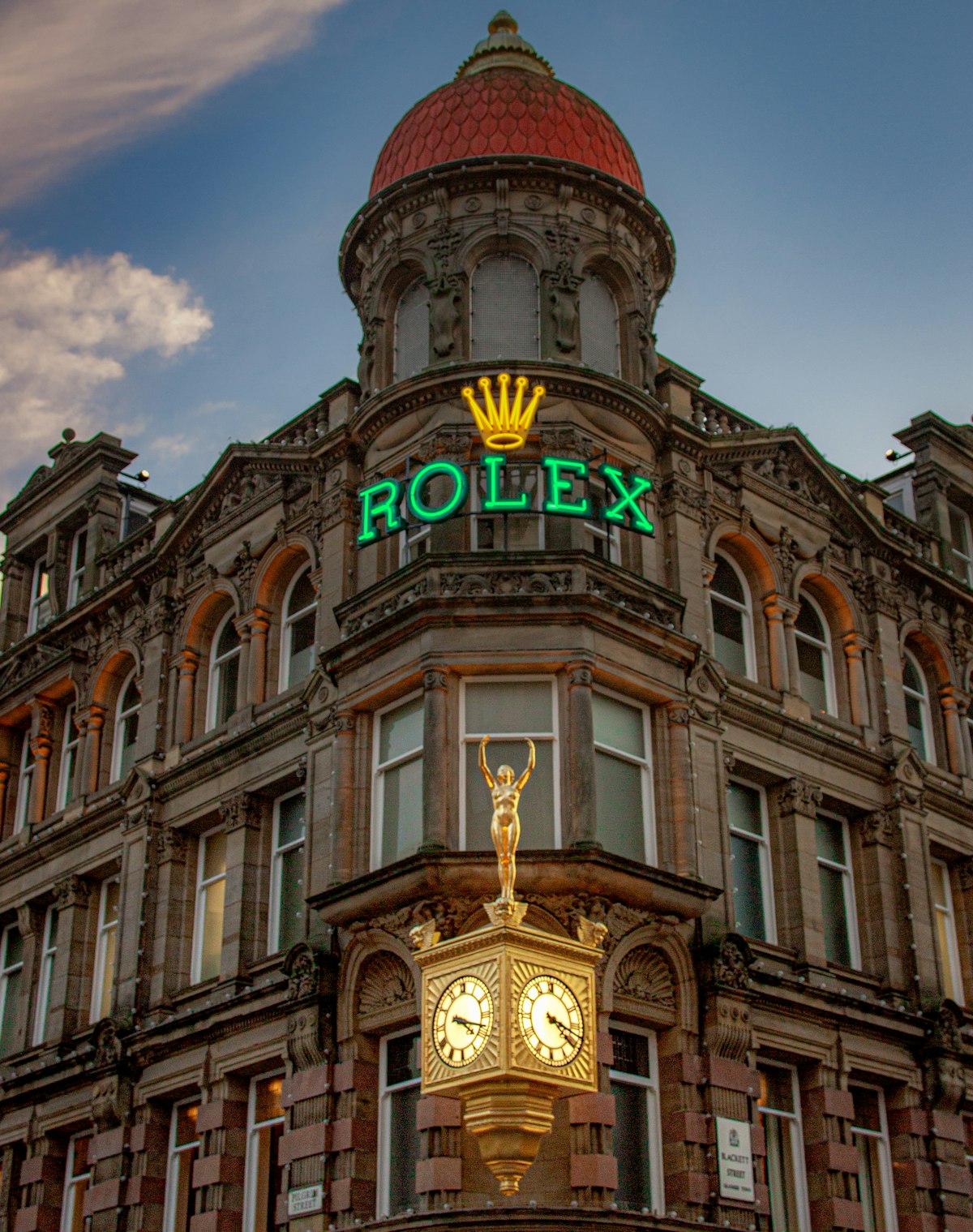
Two major anniversaries converge in 2026. Tudor celebrates its 100th anniversary as a brand, while the Rolex Oyster case marks a century since its 1926 patent. Both milestones underscore the enduring influence of Hans Wilsdorf's vision for accessible, reliable watchmaking.
The Oyster Revolution
The Rolex Oyster case represented a genuine innovation when it received its patent in 1926. It was the world's first waterproof watch case, a simple but revolutionary step that solved a persistent problem in watchmaking. Water damage had long been an accepted limitation of mechanical watches. The Oyster case changed that equation.
The innovation spread quickly across the industry. Within years, other manufacturers incorporated similar designs. Today, the waterproof case is so fundamental that it's difficult to imagine the problem it solved. But in 1926, it was remarkable.
Tudor's Purpose
Hans Wilsdorf created Tudor in 1926 with a specific mission: to offer watches with Rolex quality at prices accessible to a broader audience. The brand occupied a crucial middle ground between entry-level watches and the premium positioning of Rolex itself. This accessibility strategy shaped the watch industry's structure for decades.
Tudor watches inherited the design language and manufacturing standards of Rolex while achieving cost reductions through different material choices and manufacturing processes. A Tudor explorer had the DNA of a Rolex explorer, but at a lower price point. This formula worked consistently.
Recent Developments
Both brands raised prices in early 2026, with increases around 7% marking the start of the year. These moves reflected broader inflationary pressures and the attempt by luxury manufacturers to maintain positioning as retail prices climbed more broadly across the sector.
Watches & Wonders 2026 will likely feature significant celebrations of both anniversaries. The brands rarely pass up opportunities to mark significant milestones, and a hundred-year milestone carries particular weight. Expect commemorative references, special presentations, and perhaps limited releases tied to the centenary theme.
What It Means
These anniversaries arrive during a period when both brands enjoy unprecedented demand. Secondary market strength, retail scarcity, and collector enthusiasm all point to continued relevance. Yet the actual production volumes for special editions typically remain limited, ensuring that commemorative pieces maintain desirability.
The centenary moment offers an opportunity for reflection on what has endured about Rolex and Tudor designs. Simplicity, reliability, and purposeful engineering remain the constants across a hundred years. That consistency might be the most remarkable aspect of the milestone.
Sources: