You want to build a watch collection, but you don't have unlimited funds. The good news is that there are excellent watches at every price point, and thoughtful collecting on a budget can teach you more about watches than buying expensive pieces.
The trick is knowing which watches hold value, which are overpriced for their quality, and how to avoid the common mistakes beginners make.
The Under-$500 Foundation
If you're just starting out, don't spend $500 on your first watch. Start cheaper. A $100 to $200 watch teaches you about what you actually like without committing serious money.
Brands like Seiko, Orient, and Citizen make genuinely good watches at this price point. A Seiko 5 automatic costs around $100-150 and will teach you about mechanical movements, accuracy, and daily wear. These watches are reliable, widely available, and you won't panic if you ding them.
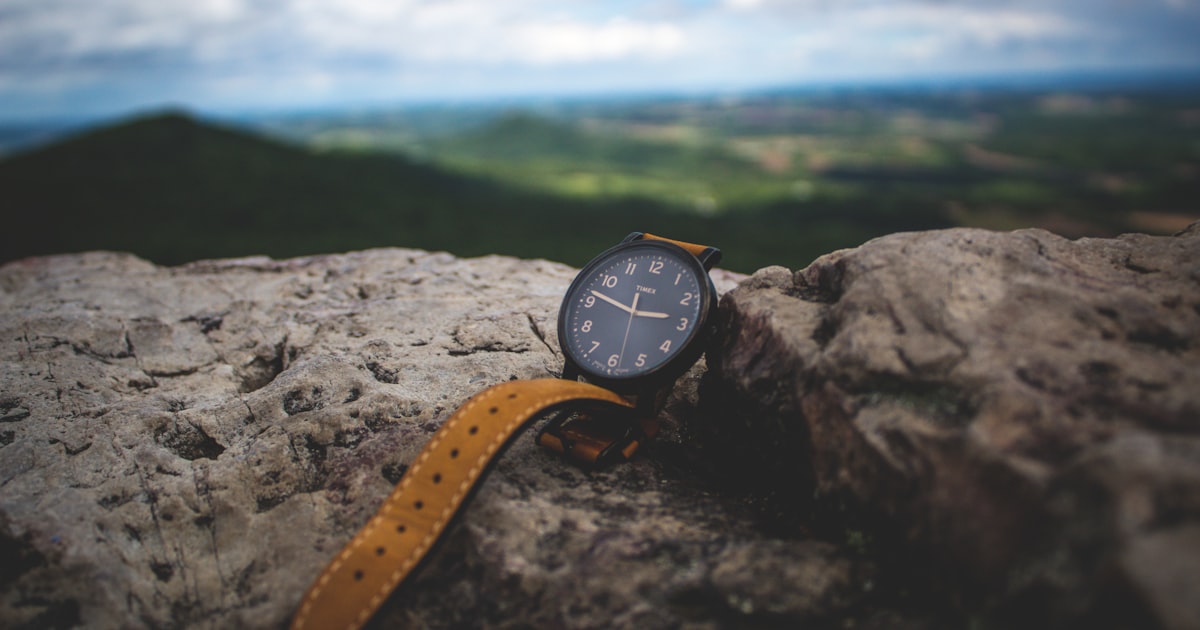
Timex makes excellent value watches too. You can buy a Timex Weekender for $50, and it's a legitimate, functional watch. It's not automatic or fancy, but it keeps time and works.
The key at this level is to buy something you'll actually wear. A watch you wear every day teaches you what matters to you. A watch that sits in a drawer is just money sitting there.
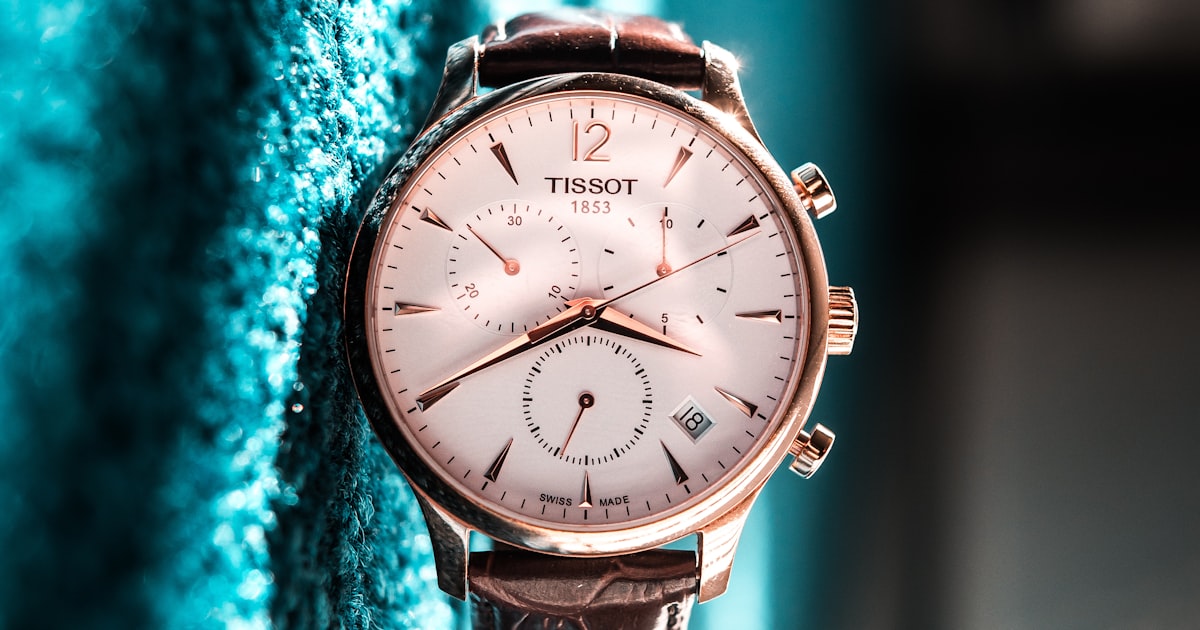
If you're serious about building a collection, a $300 watch is a good starting point. At this price, you can get a solid entry-level automatic from Seiko, Orient, or Tissot that will last for years.
The $500-$1,000 Sweet Spot
This is where value gets really interesting. At $500 to $1,000, you can buy used pieces from respected brands that would cost $1,500+ new. You can buy entry-level watches from brands with real prestige.
Used Seiko Prospex watches often sell for $600-$800, down from $1,200+ retail. These are proper dive watches with solid credentials.
Citizen Promaster watches in this range offer excellent value. They're dependable, often have interesting complications, and they're built to last.
An entry-level Omega Seamaster or Speedmaster from the 1990s or early 2000s might cost $800-$1,200 used. These are iconic watches that hold value remarkably well.
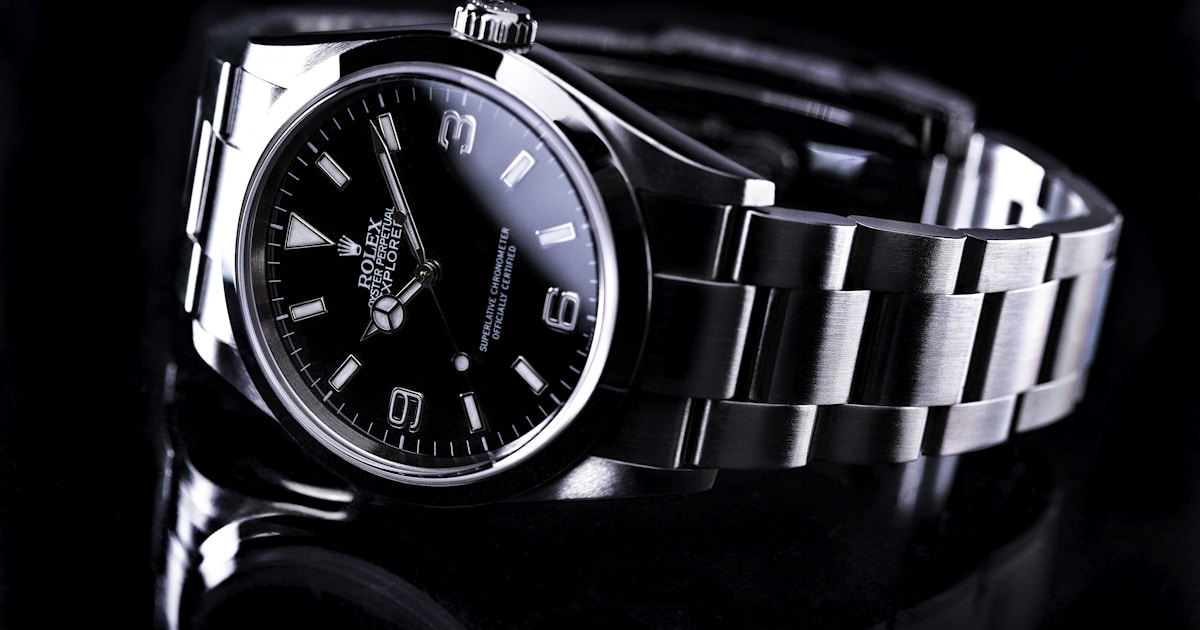
Vintage Rolex watches, particularly Submariners or Datejusts from the 1970s or 1980s, sometimes appear in this range depending on condition and current market. A well-maintained vintage Rolex is a genuine collector's piece.
The rule at this level is to buy used and let someone else absorb the new-watch markup. A five-year-old watch that originally retailed for $1,500 but now costs $800 is a bargain. You're getting the full warranty and functionality at a discount.
Buy from reputable dealers in this range, or use escrow for private sales. Authentication matters at these prices.
The $1,000-$2,500 Range
At this price point, you can buy new watches from brands with real heritage, or you can buy recent-generation pre-owned pieces that are only slightly used.
A new Tudor Black Bay costs around $2,200-$2,500. It's a watch that will likely hold value because it's a known quantity in the collector world. Tudors are built well, they look great, and they're attainable.
A new Hamilton Khaki King costs around $1,000-$1,400 and is arguably one of the best-value mechanical watches available. The movement is solid, the design is classic, and it's a watch you can wear for decades.
New Seiko Prospex divers in this range are serious tools that double as stunning watches. A Prospex Tuna or SPB models are genuinely impressive pieces.
Pre-owned Rolex sports watches often fall into this range. A recent Submariner, GMT-Master, or Daytona with some age will cost less than retail and will hold value well.
At this price point, you can start being more selective. You can afford to wait for the right watch rather than buying the first thing you find.
The $2,500-$5,000 Range
This is where you can buy relatively recent Rolex, Omega, or Patek Philippe at pre-owned prices. You can also buy new watches from boutique makers like Grand Seiko or Nomos.
A used Rolex Submariner from 5-10 years ago might cost $4,000-$5,000, down from $6,500-$7,000 new. These watches hold value incredibly well.
A new Grand Seiko mechanical watch costs $3,500-$5,000 and represents some of the finest finishing in the watch world. These watches are technically excellent and beautifully made.
A new Omega Seamaster costs around $3,500-$4,500 and is an excellent watch with real heritage. These watches hold value, are comfortable to wear daily, and are recognized as quality across the collector community.
At this level, you're buying watches that serious collectors respect. You're past the learning phase. You're buying pieces you'll likely keep for a long time.
What Holds Value and What Doesn't
Rolex sports models hold value remarkably well. Submariners, GMT-Masters, Datejusts, and Daytona models lose maybe 10-20 percent over the first year, then stabilize or appreciate. This isn't a guarantee, but the trend is clear.
Vintage watches often appreciate if maintained well. A watch from the 1960s or 1970s that still works can actually be worth more than a 10-year-old watch from the same brand.
Fashion brand watches lose value quickly. A $2,000 Guess watch will be worth $500 in five years. Stick to brands with actual watchmaking heritage.
Microbrands and smaller independent makers are harder to resell. There's less demand on the secondary market. Buy them for love, not investment.
Gold watches hold value better than steel, but they're expensive upfront. If resale value matters, steel sports watches from respected brands are safer.
Watches with interesting provenance or special circumstances (limited editions, famous owners, historical moments) sometimes appreciate well. But this is speculation. Buy these because you like them, not thinking they'll be valuable later.
Common Beginner Mistakes
Buying too many watches too fast is the classic mistake. You'll end up with a collection where many watches barely get worn. Start with one or two and live with them for a while before adding more.
Chasing trends is another trap. If everyone's suddenly into vintage dress watches, prices go up. The smart move is to buy what you genuinely like, not what's popular right now.
Not considering your lifestyle is a practical mistake. If you work construction, a delicate dress watch is a bad choice. If you have a desk job, a heavy dive watch might be overkill. Match watches to how you actually live.
Overpaying on the primary market is common. Unless there's a specific new watch you've waited for, buying used is almost always smarter financially.
Not maintaining your watches is costly. A simple $50 cleaning every few years prevents the need for expensive service later. Developing a care habit is free and invaluable.
Building a Balanced Collection
A good collection has variety. You might have a dive watch for active wear, a simple dress watch for formal occasions, and something interesting for everyday.
You don't need five watches if you're on a budget. Three good watches thoughtfully chosen are better than ten mediocre ones.
Buy based on your lifestyle first. If you swim regularly, a proper dive watch matters. If you commute on a motorcycle, a durable sports watch makes sense. If you're in an office, a refined dress watch is practical.
Make your money stretch by buying used. A $500-$1,000 watch on the secondhand market might be a model that costs $1,500-$2,000 new.
The Learning Phase Never Ends
Building a collection is a long journey. You'll learn what matters to you over time. You might start with a passion for dive watches and discover you actually prefer dress watches. That's normal. Collections evolve.
Buy watches you'll actually wear. A watch you love but don't wear is just a financial and emotional loss. A simple Seiko you check every day is more valuable than an expensive watch sitting in a drawer.
Keep records of what you own, its condition, and its service history. Tools like Aikakone make this simple, and it matters when you eventually sell or pass on your watches.
The best collection is the one you built thoughtfully, one watch at a time, with pieces you actually use and appreciate. Budget constraints force you to be selective, and that selectivity usually results in a better collection than unlimited spending ever would.