The correction is over. Or at least, the numbers say so.
Bloomberg reported in January that the Subdial Watch Index, which tracks the 50 most-traded timepieces by transaction value, gained 8% in 2025 and reached its highest level in more than two years. After a bruising 2023 and a stabilizing 2024, the secondary market closed 2025 with clear upward momentum.
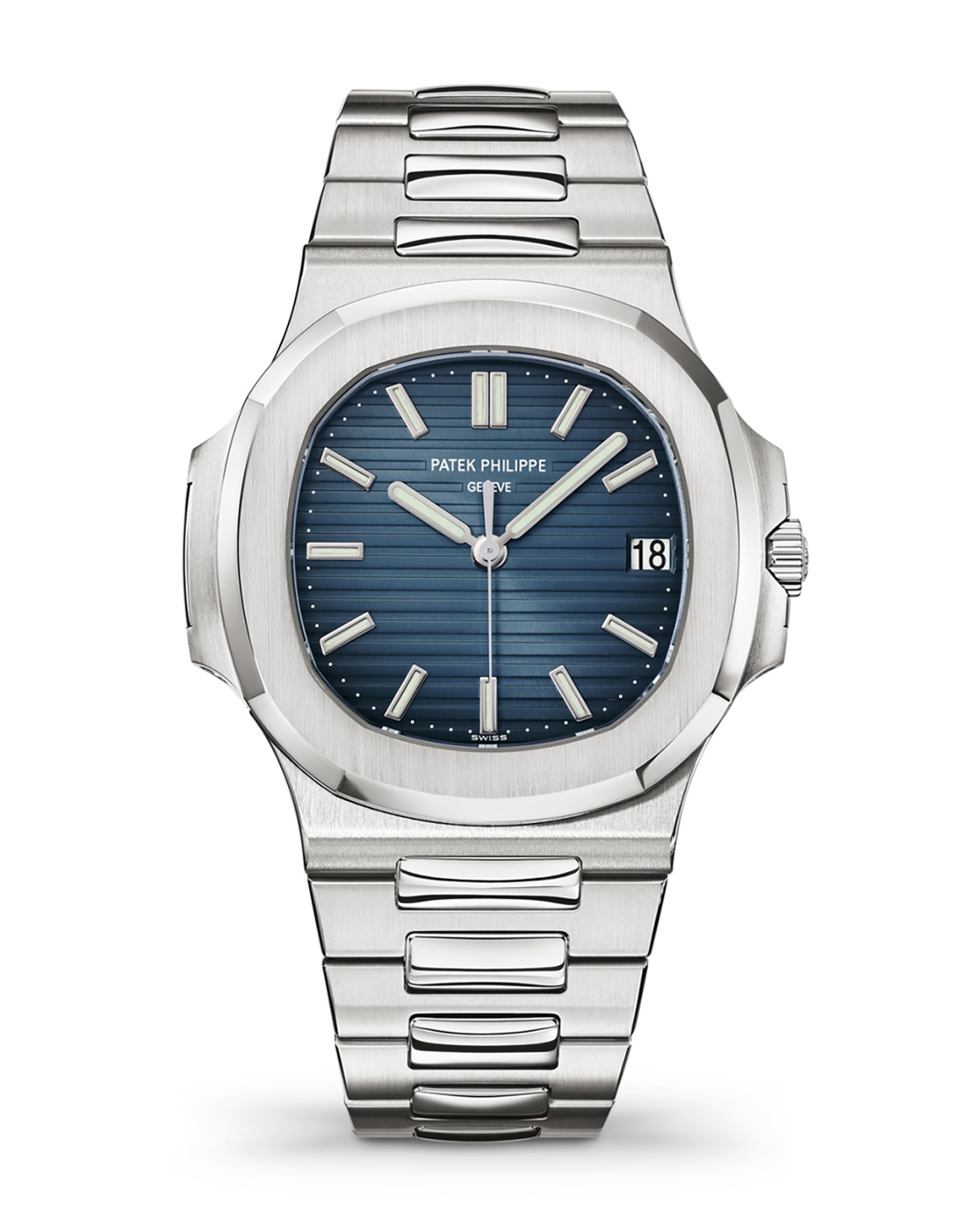
The first months of 2026 have continued the trend. WatchCharts data through March shows five mid-tier brands (Cartier, Omega, Tudor, Panerai, and Zenith) each gaining at least one percentage point. The Big Three are in positive territory too, though the gains are more modest. Over the past twelve months, Patek Philippe has appreciated 16.2%, driven almost entirely by the Aquanaut and Nautilus. Rolex is up 7.9%. Audemars Piguet, 3.4%. Tudor, 11.4%.
Breaking down the mid-tier performance reveals where the real momentum lives. Cartier's Tank family drove a 2.1% gain for the brand, with the stainless steel Tank Must and white gold Tank Américaine both seeing consistent demand. Omega posted a 1.8% appreciation, led by the Speedmaster Professional, which hasn't seen a dip despite market volatility in other chronographs. Tudor's 11.4% gain is almost entirely attributable to the Black Bay collection, particularly 36mm and 41mm steel versions, which have become the entry point for serious collectors priced out of Rolex sport watches. Panerai registered a 1.5% gain, concentrated in the Luminor Due and Submersible models under 44mm, suggesting a shift toward smaller cases. Zenith's 2.3% appreciation came from unexpected strength in the Chronomaster Sport, a watch that felt overlooked until the brand doubled down on its El Primero heritage in 2025.
Gold is doing the heavy lifting
The single biggest factor behind the recovery in precious metal references is the price of gold itself. Gold surged from roughly $2,600 per ounce at the start of 2025 to over $4,400 by December, a 70% increase that SwissWatchExpo described as the biggest annual move since the 1970s oil crisis era. That repriced every gold watch on the secondary market, whether the owner planned to sell or not.

The macro backdrop explains the move. Central banks, particularly in emerging markets and countries seeking to de-dollarize, have been accumulating gold at rates not seen in decades. Geopolitical uncertainty, from trade tensions to regional conflicts, has made gold a safe haven asset. Inflation hedging remains a concern for institutional and retail buyers alike. Together, these forces pushed gold to a real, inflation-adjusted price level that rivals the late 1970s.
Steel sport watches are up 5% to 11%, depending on the model. Precious metal pieces have jumped as much as 20%. The gap between steel and gold premiums, which had been narrowing for years, is widening again. A yellow gold Submariner or Day-Date that sold for 1.5x retail in 2023 is now commanding 2.1x, not because the watch itself became more desirable, but because the gold inside it became significantly more valuable.
Supply is tightening
Price increases at retail are part of the story. Rolex, Patek Philippe, and several other brands raised prices by roughly 7% to 15% at the start of 2026, in part to offset the tariff environment and in part because they could. Every retail price increase lifts the floor under secondhand values.
But the supply side matters just as much. Rolex's annual production is estimated at roughly one million pieces, but that figure masks a critical imbalance. Sport model production is a fraction of the total, and demand for steel Daytona, GMT-Master II, and Submariner references vastly exceeds supply. The last four generations of the stainless steel Daytona have each seen declining availability on the secondary market, a consequence of Rolex's cautious strategy and the watch's iconic status. Patek Philippe, producing an estimated 70,000 pieces annually across its entire catalog, faces an even starker shortage. SwissWatchExpo documented that the Aquanaut and Nautilus collections saw supply volume drop significantly through mid-2025, and that decline shows no sign of reversing.
Fewer pieces available for sale, combined with steady demand, creates exactly the kind of market pressure that pushes prices up. A Rolex Daytona or Patek Aquanaut that stays off the market is a Rolex Daytona or Patek Aquanaut that isn't available to a buyer willing to pay current asking prices.
The tariff factor
The 2026 tariff environment is quietly reshaping watch pricing. Swiss watch exports to the United States represent a significant revenue stream for the major brands, and tariff uncertainty has been baked into pricing decisions for months. Brands that source components outside Switzerland or rely on US distribution are particularly exposed.
The 7% to 15% price increases announced at the start of 2026 weren't purely reflective of gold's surge or supply constraints. Part of the increase was a preemptive hedge against tariff escalation. When a brand raises retail prices, the secondary market gets a floor under it almost immediately. A collector who bought a watch at the old price suddenly owns an asset that costs more to acquire new. That gap widens the margin between a good secondhand buy and a mediocre one, and helps stabilize prices during volatile periods.
The W&W effect
Watches and Wonders opens next week. Historically, the fair creates a short-term spike in interest across the secondary market. Collectors who can't get new references at retail turn to the pre-owned market. New releases also recontextualize existing models: a discontinued reference suddenly becomes "the last version before the update," which can push its price in either direction.
This year's fair is loaded. Audemars Piguet is back for the first time in six years. The Nautilus turns 50. The Milgauss may return. Any one of those storylines could move secondary prices on specific references.
What it means for collectors
The recovery doesn't mean 2021-era premiums are returning. The speculative bubble, where a Nautilus 5711 traded at three or four times retail, is unlikely to repeat. What's happening instead is a normalization: watches are appreciating in line with materials costs, supply constraints, and genuine demand rather than hype cycles.
One important caveat: the Bloomberg Subdial 50 index tracks the highest-volume references, the watches that trade frequently and have tight bid-ask spreads. This represents liquid, actively traded pieces. Vintage watches, limited editions, and niche references often move to their own rhythm. A 1990s vintage Patek Philippe Ellipse or a discontinued limited-edition Omega might appreciate or depreciate independently of what the index shows. If you're tracking a collection of mainstream sport watches, the index is a solid compass. If you're holding speciality pieces, the broader market trend is less predictive.
For anyone tracking the value of a mainstream collection, this is a useful moment. The market has a direction again. The question is whether the momentum survives the summer, when trading volume typically dips and attention shifts away from the industry.
Sources: Bloomberg, WatchCharts March 2026 market update, SwissWatchExpo, Robb Report, Debonar Watches.