Richemont has pared back Montblanc's watchmaking. Six people have been made redundant at the maison's watch operation in Le Locle, in the canton of Neuchâtel, and between 17 and 23 of the roughly 45-person team are being transferred to other companies in the group. The cuts were finalised at the end of September. The figures were reported by the Keystone-SDA and AWP news agencies, citing the Unia union; Richemont was not available for comment, so there is no company statement to set against them.
What is changing
The numbers come from Unia's Neuchâtel secretary, Solenn Ochsner, speaking to AWP. Of about 45 staff at the Le Locle site, six have lost their jobs outright. The remainder are being offered transfers to other Richemont entities rather than dismissal — reporting puts the number moving at somewhere between 17 and 23, the two agency accounts not quite agreeing — with Cartier named as one destination and a minority heading to the Minerva manufacture in Villeret, in the Bernese Jura. The union notes that the terms will not be identical and that some of those who move will face longer commutes. This is a small restructuring by headcount, not a plant closure.
Montblanc's place in watchmaking
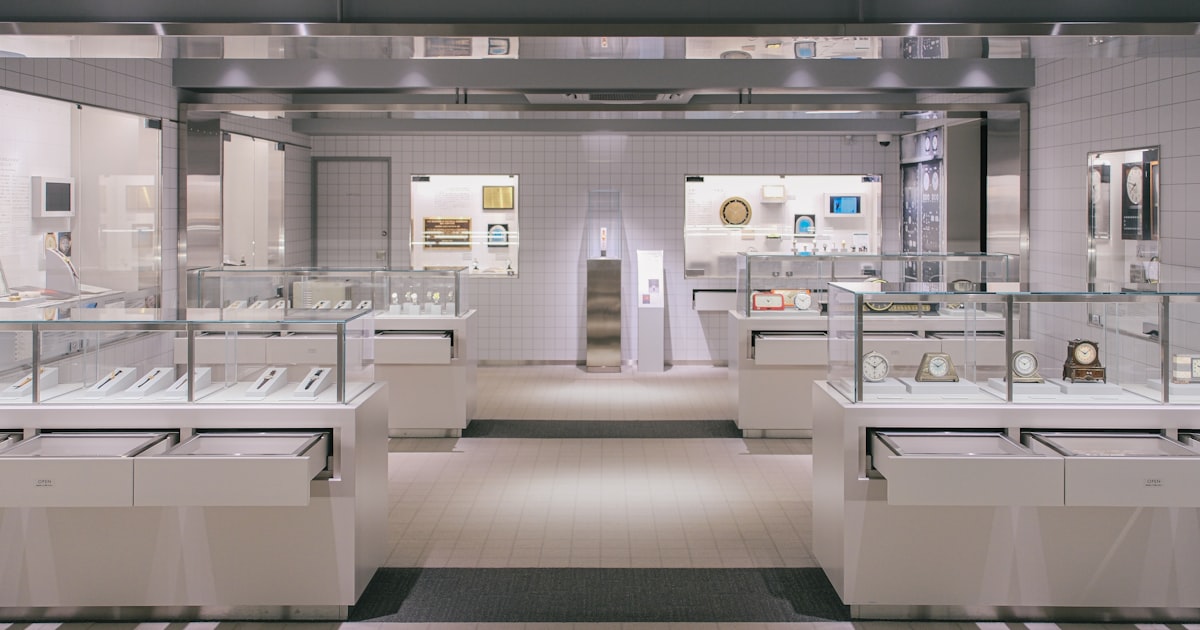
Montblanc is better known for pens and leather than for movements, but it has run a watch business for close to three decades, assembled out of Le Locle and anchored at the high end by Minerva. Richemont bought the historic Villeret manufacture in 2006 and placed it under Montblanc, which has since used Minerva's hand-finished calibres for select high-end references — the Villeret collection, the monopusher chronographs, the top of the 1858 and Heritage ranges — while the bulk of the collection runs on more conventional movements. Le Locle is where that everyday watch business lives. Thinning it, and moving people toward Cartier and Villeret, concentrates what remains of Montblanc's watchmaking at the higher end and inside the group.
The squeeze is where Montblanc sits
Ochsner's reading is that the move reflects the wider watch slowdown, and specifically that it is biting hardest at the entry- and mid-range of the market. That is precisely the band most of Montblanc's watches occupy — four- and low-five-figure pieces that compete with steel sports watches and microbrands rather than with independents. It is the same split that has run through this autumn's numbers: Switzerland's export volumes have slipped in recent years even as value has risen, and the groups' own results keep crediting jewellery and the very top of the watch range while the accessible tiers absorb the pressure.
None of that is unique to Montblanc, and six redundancies is not, on its own, a verdict on the brand. But it is a concrete data point in a year of abstract ones. Richemont's strength has been Cartier and jewellery; its watch brands have looked like the harder half to grow. A maison whose watches live in the squeezed middle, trimming its watch operation and moving its people toward other parts of the group, is the slowdown made specific — one site, some forty-five jobs, and a set of transfer letters.
Sources: SWI swissinfo.ch / Keystone-SDA and Frontaliere Ticino.