The secondary market for luxury watches continues its upward trajectory, with the WatchCharts Overall Market Index up 8.2% over the past year. Meanwhile, retail prices for precious metal pieces have jumped sharply, creating an unusual divergence between official pricing and what pre-owned pieces actually trade for.
Market Performance
In February 2026 alone, major brands showed modest but consistent gains. Rolex moved up 0.6%, Patek Philippe 0.7%, and Audemars Piguet 0.6% month-over-month. These steady gains mask the real story, which is the uneven distribution of value across the market.
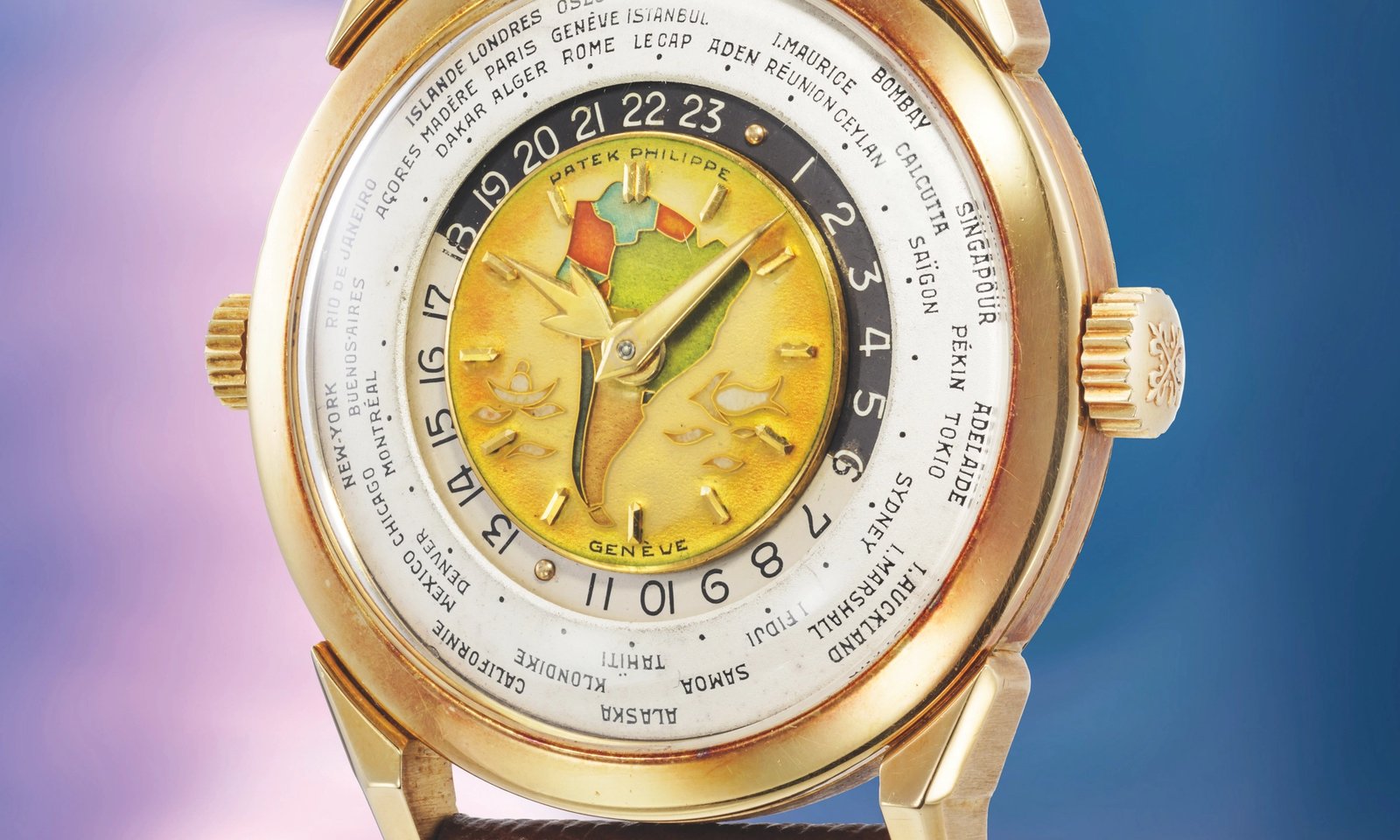
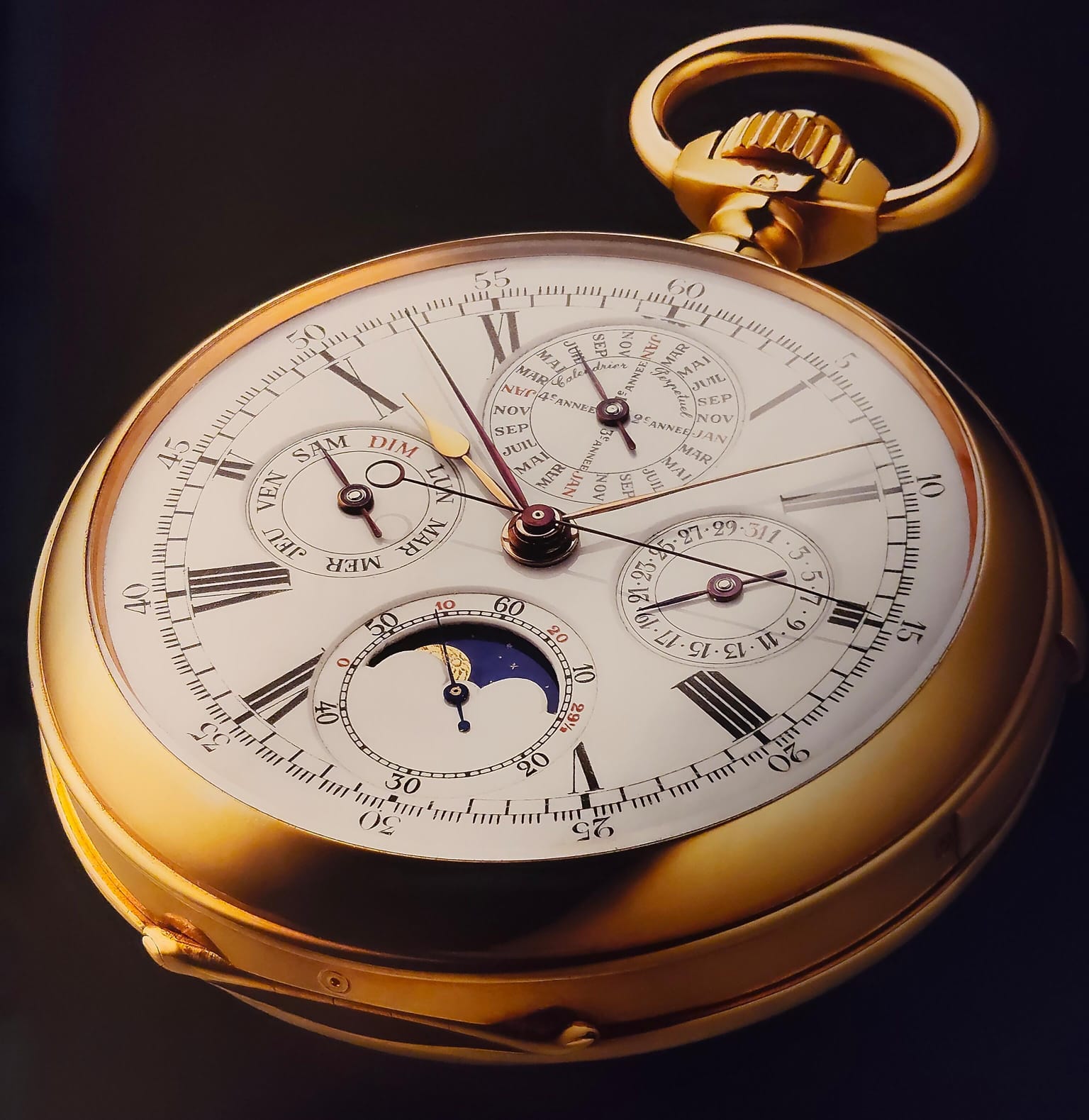
Patek Philippe's performance stands out, with the brand appreciating 16.2% over the past year. The Aquanaut and Nautilus families led these gains, continuing a multi-year trend that shows no signs of abating. Buyers recognize these references as stable stores of value, driving consistent demand.
The Retail Problem
Retail pricing for precious metal watches has become increasingly disconnected from secondary market value. Some brands raised prices by up to 20% in early 2026, even as pre-owned examples for the same models traded without significant appreciation in lockstep. This gap creates obvious opportunities for informed buyers, though it also reflects genuine anxiety within the industry about perceived value.
The disconnect is fundamentally about supply and control. Brands want to establish premium positioning through official pricing. Secondary markets price based on immediate supply and demand. When those two forces move in different directions, something has to give.
Geographic Shifts
Buyers are increasingly shifting to the secondary market to access pieces at better value propositions. This migration is particularly pronounced from markets including Hong Kong, China, Japan, and Singapore. These regions account for a growing share of secondary market volume, driven partly by local willingness to embrace pre-owned pieces and partly by the mathematical realities of retail pricing.
Consolidation Around Quality
The broader market trend reflects a shift in collector behavior. Gains are concentrated in a small number of brands and references. This isn't the entire market rising together, it's discerning buyers gravitating toward pieces with proven demand, strong provenance stories, and historical appreciation. The days of broad-based market gains appear to be over.
This consolidation suggests that the market is maturing. Collectors are becoming more selective, and the question of which watches hold value has increasingly clear answers.
Sources: