Phillips released its first-half results this week: $507m in total auction sales for the first six months of 2026, up 60% on the same point last year, with a 90% sell-through rate by lot. The figure that matters for this audience sits inside it. Watch sales, run in association with Bacs & Russo, totalled $235m in the half, against $115m a year earlier, according to The Art Newspaper's report and interview published today. Phillips' Modern and contemporary art department, historically the house's centre of gravity, sold $224m in the same period. At Phillips, watches now outsell the art.
Three of the top five lots
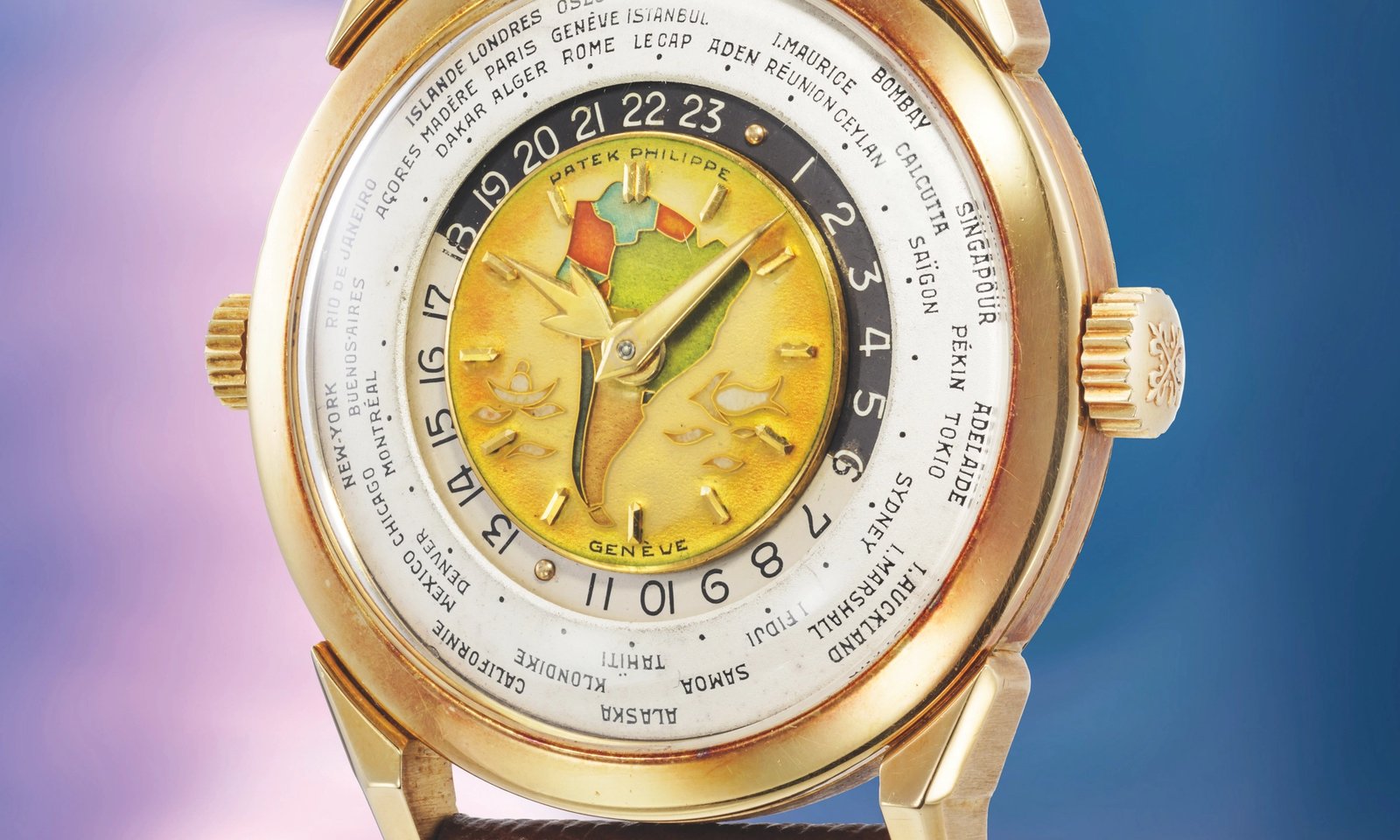
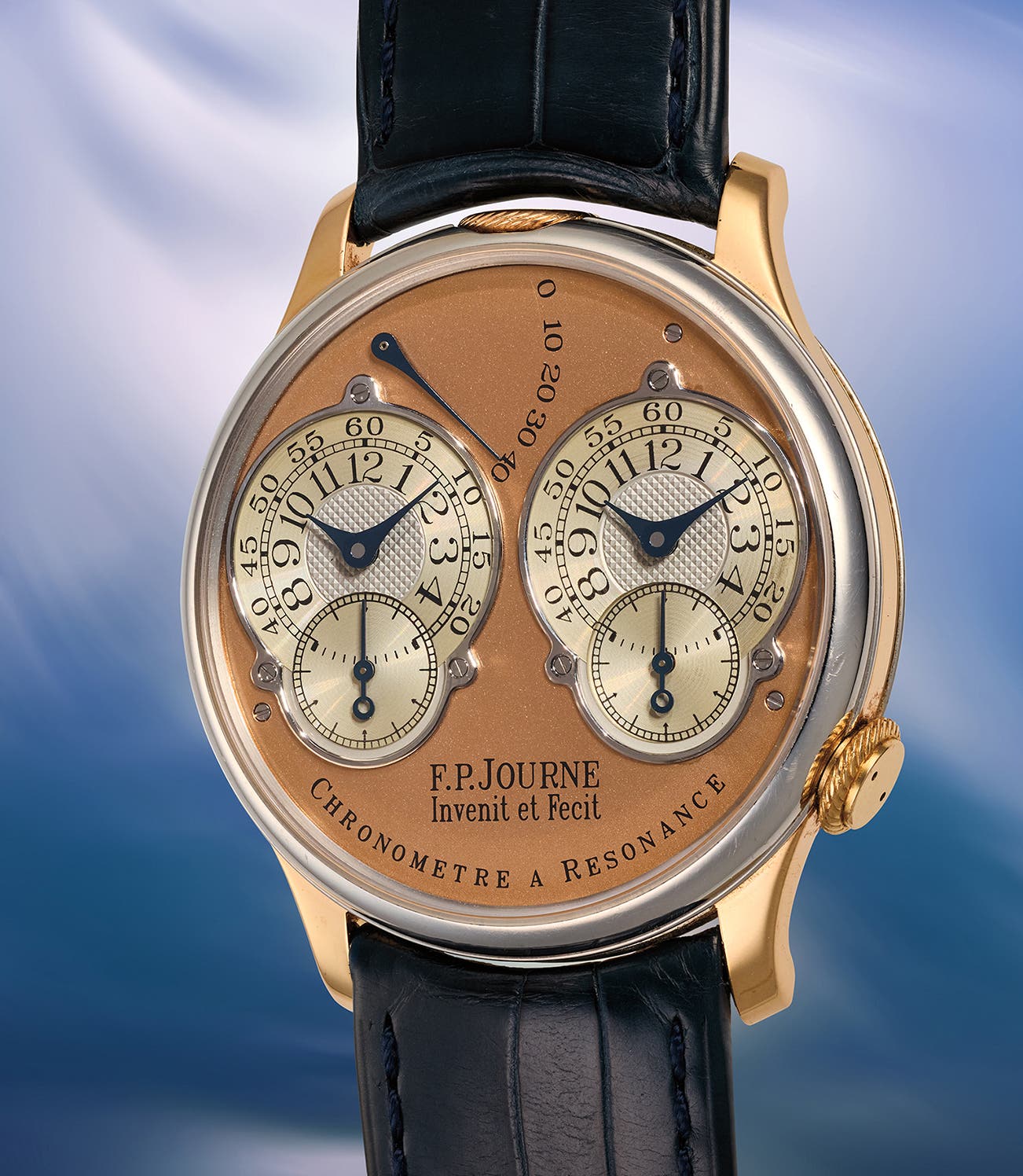
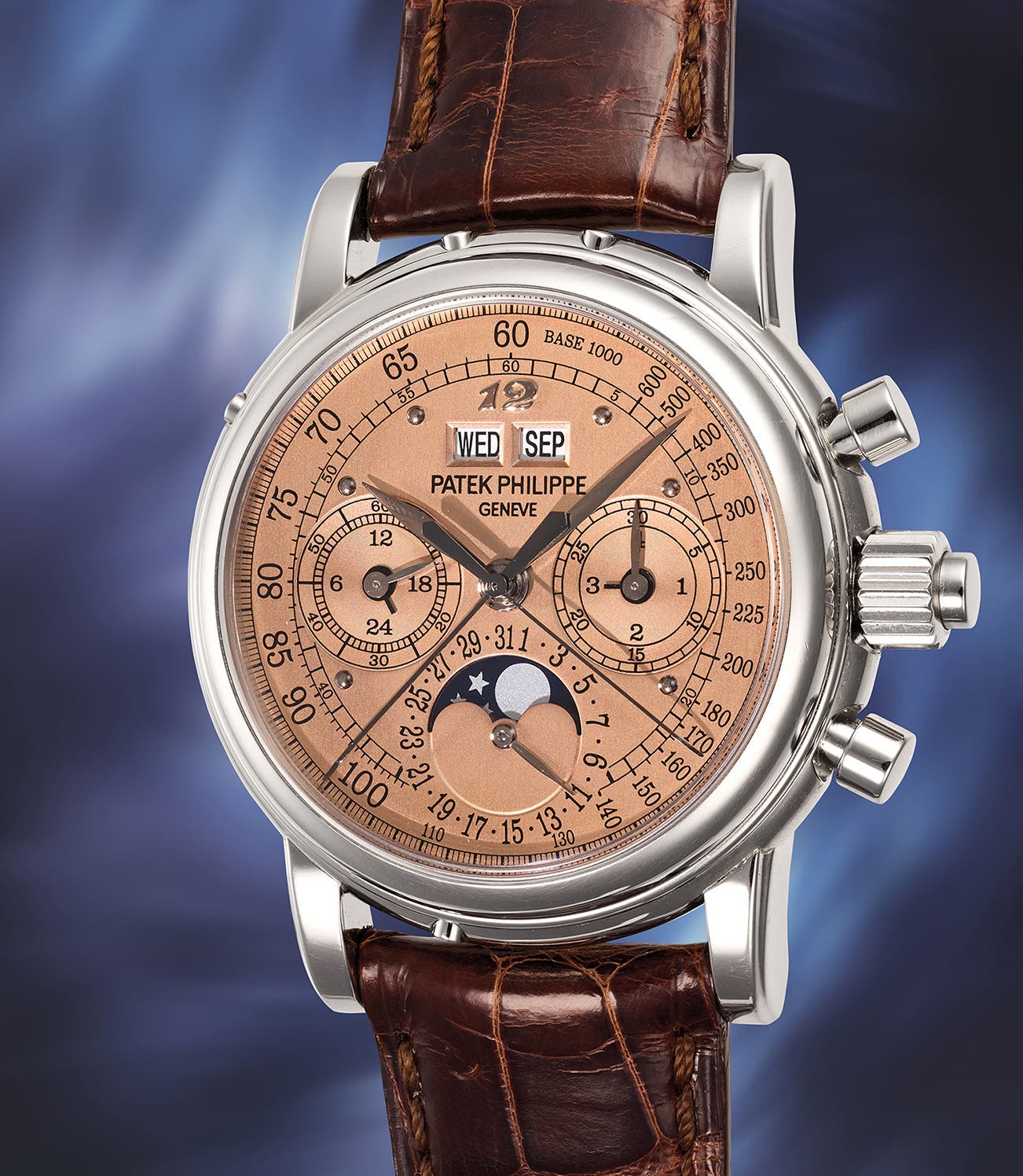
The house's top lot of the year so far is a painting, Andy Warhol's Sixteen Jackies at $16.2m in New York in May. Second is a watch: the F.P. Journe Chronomètre à Résonance Souscription No. 007, which made $13.9m in New York in June and reset the record for the maker. A Patek Philippe reference 2523 two-crown world timer with cloisonné enamel dial brought $10.2m in May. In total, three of Phillips' five highest-priced lots of 2026 are watches. The June New York sale that carried the Journe, alongside lots such as the Patek Philippe 5004G-020 split-seconds perpetual calendar from Eric Clapton's collection, closed at $75.8m, which Art Insider reports as the highest-grossing watch auction held in the United States.
Who is buying
The composition of the buying pool explains some of the growth. Phillips says 40% of buyers this year are purchasing at the house for the first time, nearly a third are Millennial or Gen Z collectors, and close to 70% of lots sold online. On Dropshop, the house's digital release platform, roughly 60% of this year's buyers are Millennial or Gen Z and 70% of them are new to Phillips. Chief executive Martin Wilson, a year into the role, told The Art Newspaper the watch result rests on "a decade-long project to foster a community of collectors which is very online and very connected, which I think is why the market has grown so fast." His broader framing: everyone talks about the great wealth transfer, but he sees it as more of a great taste transfer, with younger collectors buying across categories in line with their values.
The mechanics behind the number
One structural change is worth noting for anyone who consigns or bids. Last autumn Phillips introduced priority bidding, in which a buyer can place a non-retractable bid ahead of the sale in exchange for a reduced buyer's premium. Wilson says the house now takes three times as many pre-sale bids as a year ago, and that sales are routinely 40% to 50% sold before the auctioneer starts. For sellers this compresses risk; for bidders it moves part of the contest away from the room and into the days before it.
Reading the half
One house's results are not the market, and Phillips' watch line has the specific tailwind of the Bacs & Russo franchise and a heavy top end. But the direction matches the broader data: the same day, The Art Newspaper covered an ArtTactic report finding significant recoveries across Sotheby's, Christie's and Phillips in 2026. Doubling a watch department's half-year total inside twelve months, to the point where it outsells the art that gave the house its name, is the kind of number that pulls consignments. The second half will show whether $235m was a ceiling or a base.