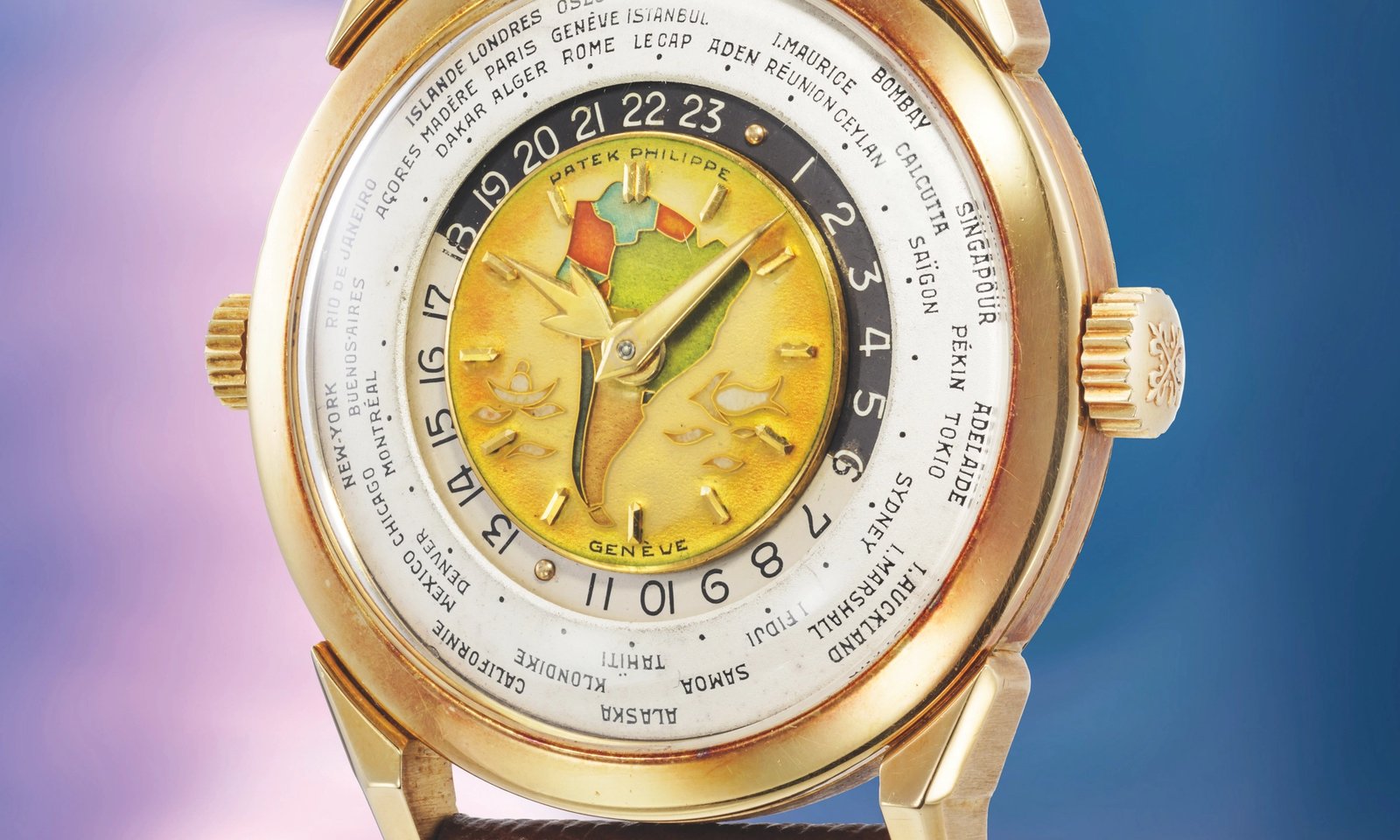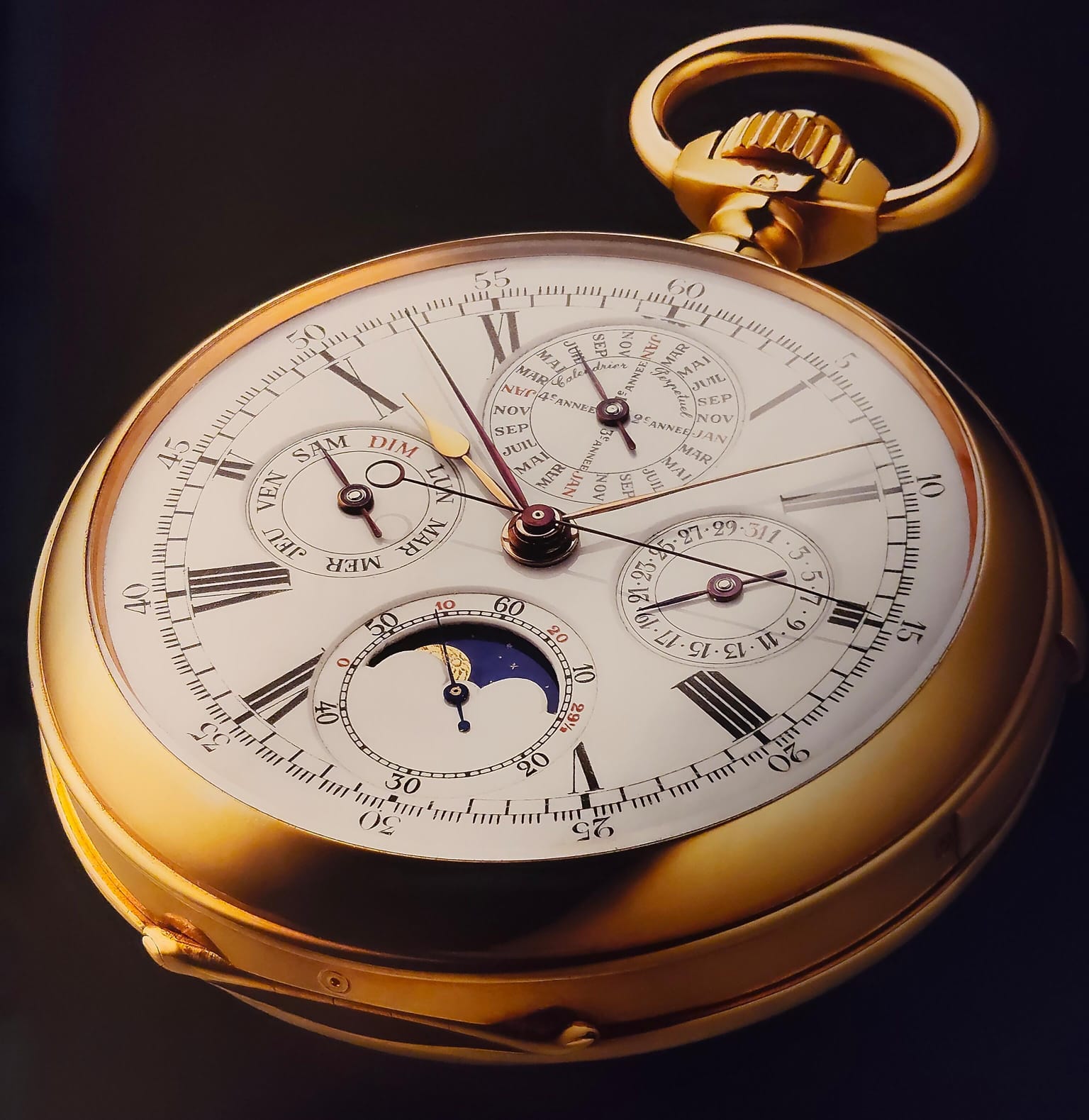
Patek Philippe cut its US retail prices by 8 percent as of February 1, 2026. The news arrived quietly, without fanfare. Collectors took notice immediately. But the story beneath the headline is more nuanced than a simple price reduction suggests.
Context Matters More Than Headlines
An 8 percent cut sounds significant until you look at the timeline. Prices are still higher now than they were a year ago, after the increases that came in earlier periods. This isn't a return to previous levels. It's a modulation in the middle of an upward trend. The reduction reflects current market pressures, not a reversal of direction.
Patek isn't alone in navigating pricing complexity. Rolex, Audemars Piguet, and Tudor all raised prices approximately 7 percent at the start of 2026. These aren't random moves. They respond to real pressures in the manufacturing environment: tariff uncertainty, material costs, currency fluctuations. The companies are managing forces outside their control.
The Tariff Question Looms
The US watch tariff situation has been volatile. After a 39 percent tariff on Swiss imports in August 2025 devastated exports, a framework agreement reduced that to 15 percent. Then in February 2026, the Supreme Court issued a 6-3 ruling that struck down the tariffs under the International Emergency Economic Powers Act. The White House responded by pivoting to a 10 percent surcharge for a 150-day window.
In this climate, any pricing decision becomes provisional. Patek made a calculation: given current conditions and market response, an 8 percent reduction in the US market makes sense right now. Whether that price holds depends on what happens to tariff policy in the coming weeks and months.
Where Collectors Are Seeing Movement
The secondary market tells a different story than retail. Patek Philippe watches in the pre-owned market are up 16.2 percent over the past year. The Aquanaut and Nautilus are leading that appreciation. People want these watches, and they're willing to pay for them on the secondary market even as retail pricing adjusts.
This suggests something interesting about demand. The collector base isn't hesitating because of prices. They're buying what's available. The retail price adjustment doesn't reflect waning interest so much as Patek reading the market and making a strategic move to manage its positioning.
The Broader Pattern
Across the luxury watch industry, brands are balancing several competing pressures. They need to account for manufacturing costs and currency exposure. They're responding to tariff uncertainty. They're managing collector sentiment and secondary market prices. And they're trying to communicate stability even when the environment is unstable.
An 8 percent price cut is notable. But it's one move among many in a complex dance around costs, policy, and perception. Understanding it requires holding multiple truths at once: prices went down, but they're still up year-over-year. The secondary market is strong. The tariff situation remains uncertain. And major brands are signaling, through their pricing, that they're paying attention to what collectors are experiencing.
What Comes Next
The 150-day surcharge window gives some clarity, at least temporarily. If tariff policy stabilizes, brands might have more confidence in their pricing strategy. If uncertainty continues, expect more adjustments. For collectors, the practical lesson is the same as always: pricing in the luxury watch market is rarely as simple as the headlines suggest.