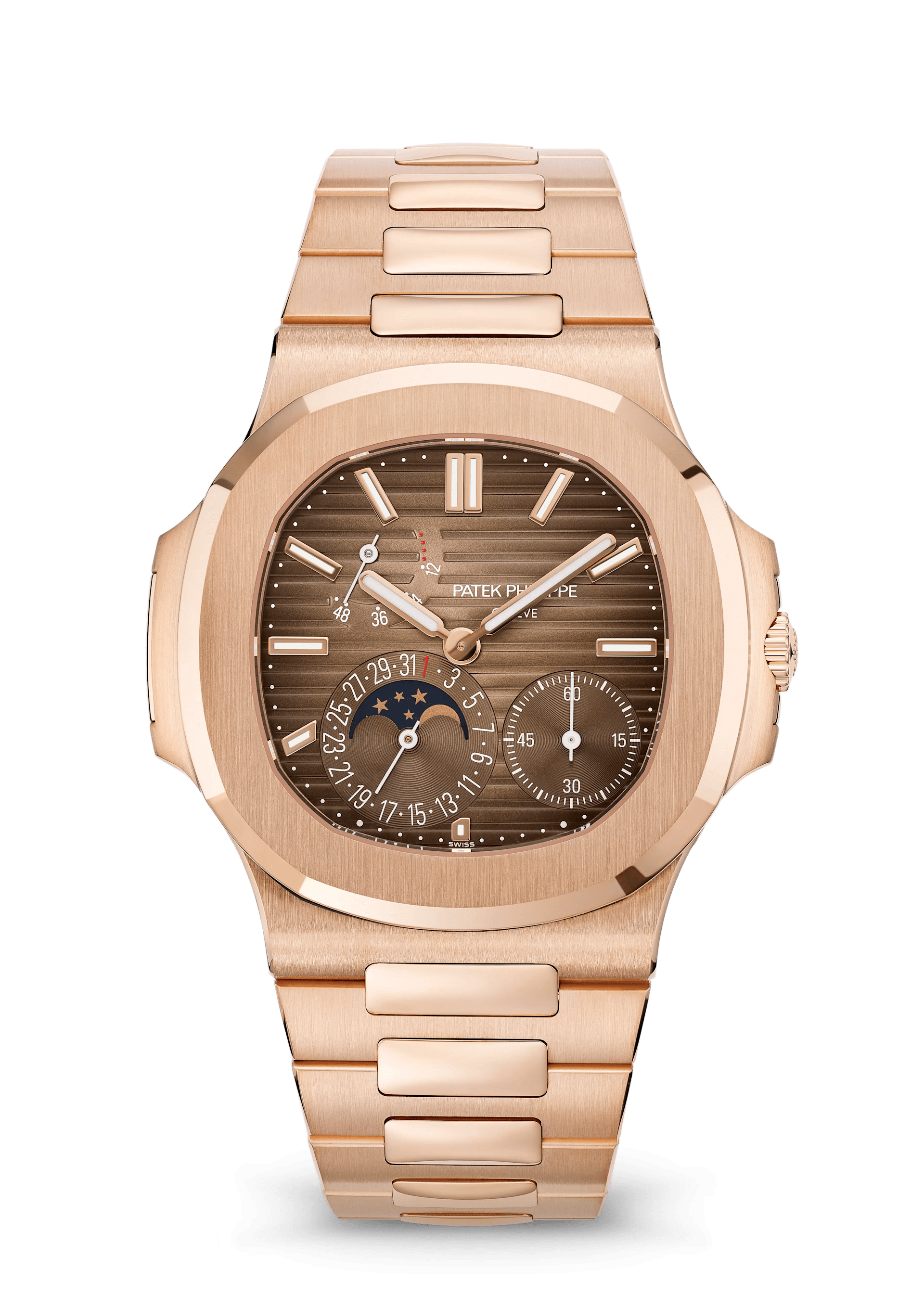
Fifty years ago, Patek Philippe introduced a watch that fundamentally changed how people thought about luxury sports watches. The original Ref. 3700 arrived in 1976, designed by Gerald Genta. What happened next defined the category and created a watch that people still want, and are willing to wait years to acquire, half a century later.
The Origin Story Everyone Knows
The legend is that Gerald Genta sketched the Nautilus design on a napkin in five minutes. Whether that's precisely accurate matters less than what it illustrates: the design was decisive, elegant, and seemingly inevitable once it existed. The case shape, the porthole-inspired bezel, the integrated bracelet, the dial layout. All of it felt like it had always been meant to be.
The watch was called the Jumbo because of its 40mm case, which seemed generous for a sports watch in 1976. Proportions shift with time and expectations. That same 40mm case is now the benchmark that everyone references when discussing luxury sports watches. Nothing about the Nautilus feels large anymore. It feels right.
The Design That Didn't Need Changing
Patek Philippe has released variations, certainly. Different dial colors, materials, and complications. But the core design has endured intact for 50 years. That's not because the company was afraid to modify it. It's because the design was so complete that modifications would only diminish it.
This is the test of significant design: does it age? The Nautilus aged. It went from unusual to classic to iconic. It saw watch design trends come and go around it without needing to follow any of them. That's rare.
How the Brand Marked Previous Milestones
When the Nautilus turned 40 in 2016, Patek Philippe marked the occasion quietly. The celebration consisted of exactly two watches: a platinum time-and-date and a white gold chronograph. Both special pieces, both limited, neither designed to democratize access. The approach emphasized scarcity and significance over volume.
That restraint shaped how collectors think about Patek Philippe's approach to anniversaries. The brand doesn't throw celebratory parties or flood the market with special editions. It makes thoughtful pieces for people who understand what they're acquiring.
What to Expect in 2026
Rumors suggest the 50th anniversary celebration could arrive at Watches and Wonders Geneva in April or at the Grand Exhibition in Milan in October. Either platform would make sense. Both have the prestige and audience scale appropriate to marking five decades of a design that shaped the entire industry.
Speculation in the collector community points toward a few possibilities. A special Jumbo version in a precious metal, perhaps returning the 40mm to its original material and celebrating the design at that size. A grand complication, possibly a perpetual calendar or split-seconds chronograph, exploring what Patek's complications department can do with the case. Or something entirely different that respects the heritage while pushing into new territory.
Why Fifty Years Matters
Watching the Nautilus reach 50 years is watching proof that design excellence transcends trend cycles. It's watching a watch that a person in 1976 could have acquired compete in value and desirability with the latest releases. It's watching an object do exactly what Patek Philippe intended: last, be worn, be admired, be handed down.
The watch didn't need improvement to feel relevant. It needed time to prove that it was addressing something deeper than fashion. The Nautilus did that. It proved that a thoughtfully designed sports watch could be both functional and beautiful, both current and timeless.
The Anticipation
As collectors and enthusiasts wait to see what Patek Philippe announces for the Nautilus 50th anniversary, they're waiting for something most brands can't offer: a demonstration of restraint and respect for heritage paired with the technical capability to create something exceptional. The brand has done it before. It will do it again. The Nautilus has never let anyone down yet.