H. Moser & Cie. introduced its retrograde seconds in 2024, in a single Pioneer, and the mechanism was unusual enough that it was never obvious where the brand would take it next. The answer, as of October 2026, is everywhere at once: the 30-second retrograde seconds now appears in three watches released together — the dressy Endeavour, the integrated-bracelet Streamliner and a fully skeletonised Pioneer. It is the same complication in three very different cases, and Moser is pricing them as a ladder rather than a set.
A seconds hand that resets twice a minute
The complication is the reason to pay attention. Where a conventional seconds hand runs continuously around the whole dial, Moser's retrograde seconds sweeps only a short arc in the lower left of the dial, covering 30 seconds, then flies back to its starting point and begins again. Over a full minute the hand makes the trip twice. The module behind it was developed with Agenhor, the Geneva complications specialist, and it is engineered so that the return is near-instantaneous rather than a visible drag back across the scale. The effect is closer to a small kinetic sculpture than a timekeeping readout — which is the point, since the hours and minutes are read the usual way from the central hands.
Three cases, one mechanism
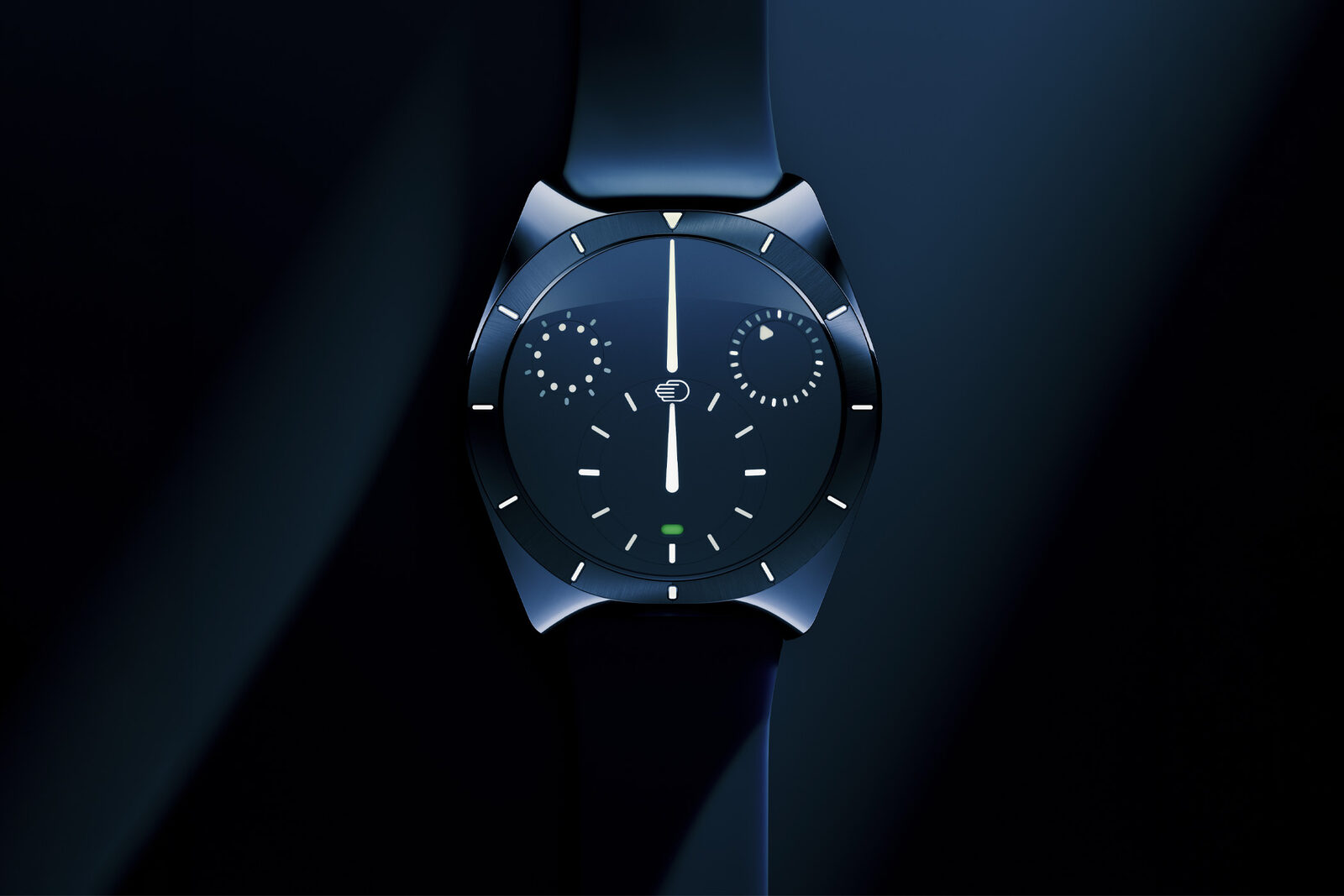
The Endeavour Retrograde Seconds, reference 1252-1200, is the classic round Moser: a 40mm steel case 11.2mm thick, a grey-black fumé dial with a sunburst finish and rose-gold hands, water resistant to 30 metres, on a night-blue alligator strap. It is the most traditional of the three and the entry point at CHF 30,160, roughly USD 35,200.
The Streamliner Retrograde Seconds, reference 6252-1200, moves the same idea into Moser's cushion-shaped sports case with an integrated steel bracelet. It is 40mm by 12.1mm, has a screw-down crown and 120 metres of water resistance, and wears a midnight-blue fumé dial. Moser likes to compare the constant sweep-and-reset of the seconds hand here to the coupling rods on a locomotive's wheels, which suits the Streamliner's industrial character. It is CHF 32,300, about USD 37,700.


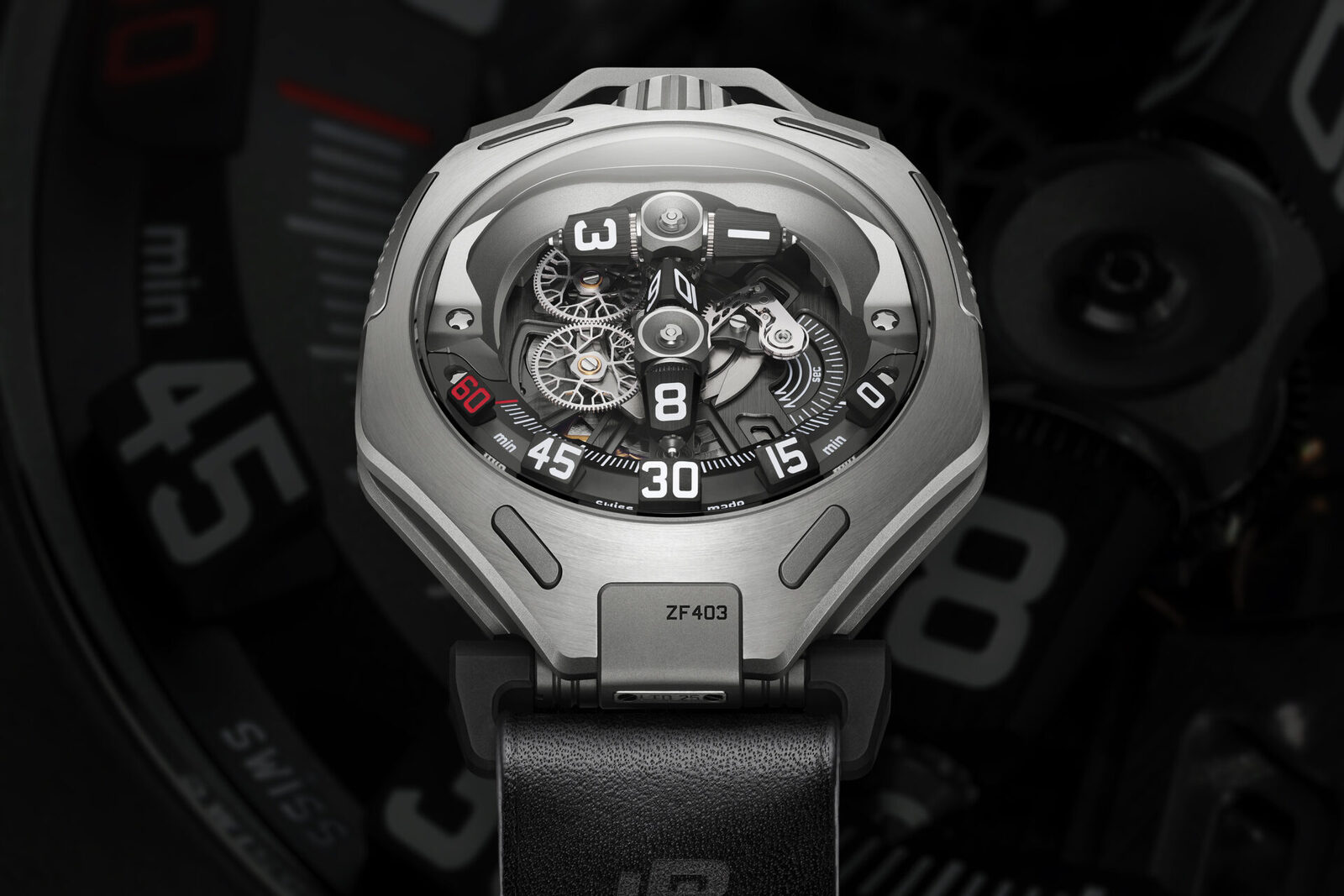
The Pioneer Skeleton Retrograde Seconds, reference 3251-1200, is the one that shows the most. It keeps the 40mm by 12mm Pioneer case and screw-down crown with 120 metres of water resistance, but the dial is gone: the movement is fully openworked, with gold leaf-shaped hands, faceted applied indices and Super-LumiNova, and the retrograde action visible in the metal rather than behind a dial. At CHF 37,726, about USD 44,100, it is the most expensive of the three and the clearest statement of what the complication actually is.
HMC 252 and HMC 251
The Endeavour and Streamliner share the automatic calibre HMC 252, developed from Moser's HMC 201 base with the Agenhor retrograde module added. It carries a 72-hour power reserve and a Straumann hairspring, Moser's own regulating component, and winds bidirectionally. The Pioneer Skeleton runs the related HMC 251, a skeletonised version trimmed to 5.5 millimetres thick, down from 6.5, so that the openworking reads as architecture rather than a dial with holes cut in it. All three keep the same 72-hour reserve.
A complication, laddered
What Moser has done here is less a single launch than a decision to make the retrograde seconds a house feature. By putting it in the dress Endeavour, the sports Streamliner and the skeletonised Pioneer on the same day — and spacing the prices from roughly USD 35,200 to USD 44,100 — the brand is treating the complication the way other makers treat a dial colour or a case material: a single idea offered across the collection, for the buyer to choose the wrapper. For a small independent, rolling one mechanism across three lines at once is also a way to get more out of the development cost of a movement that, two years ago, lived in a single reference.
Sources: Oracle of Time and The 1916 Company.