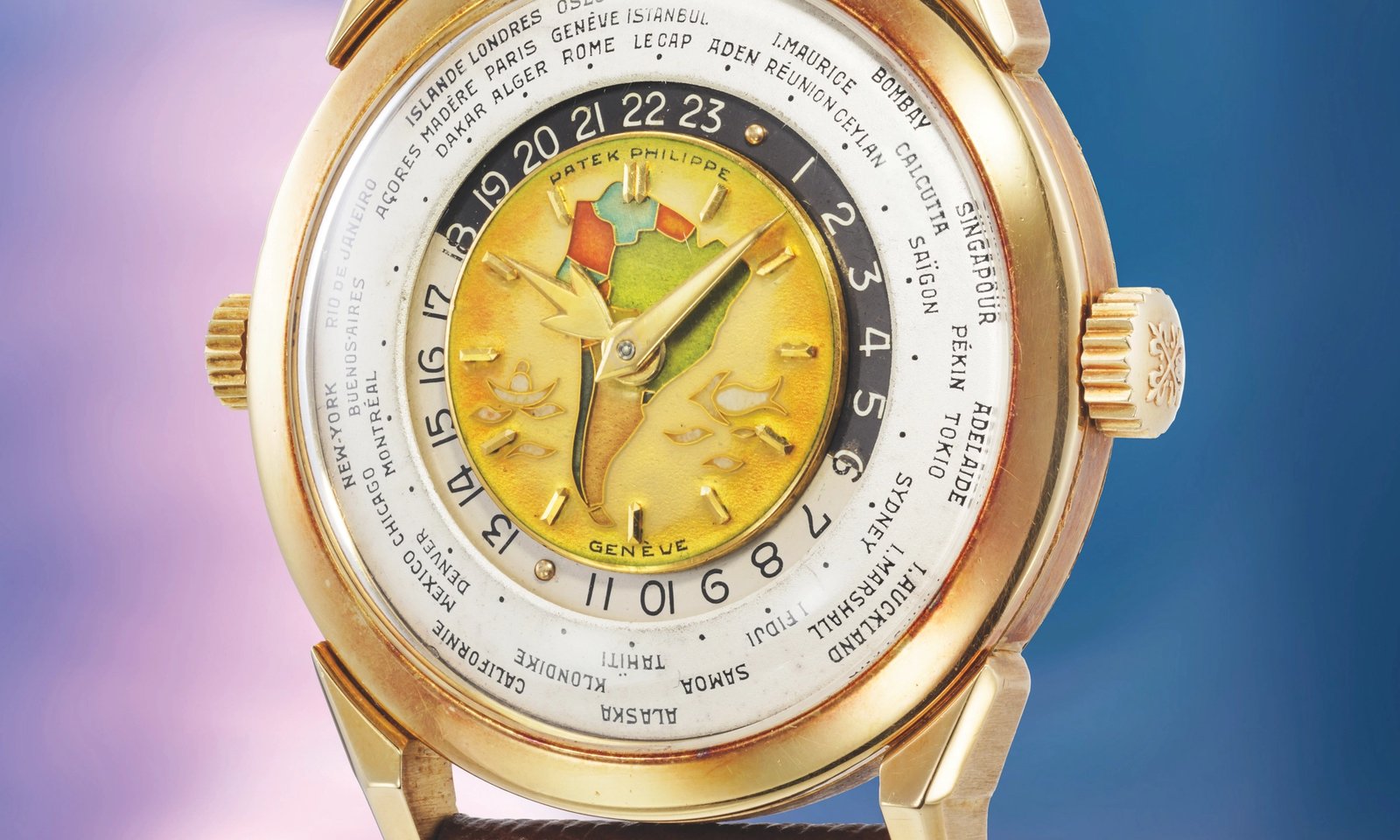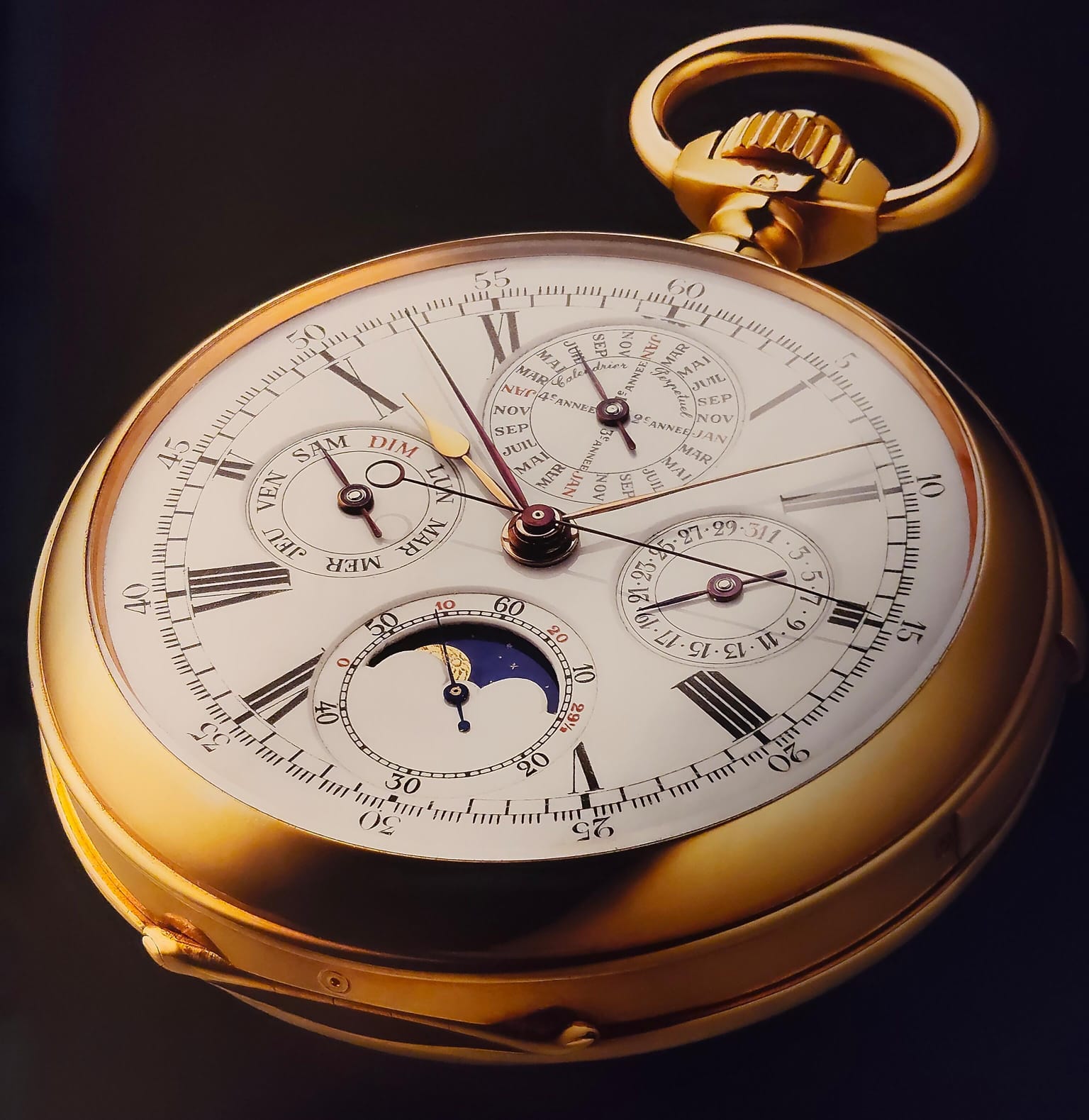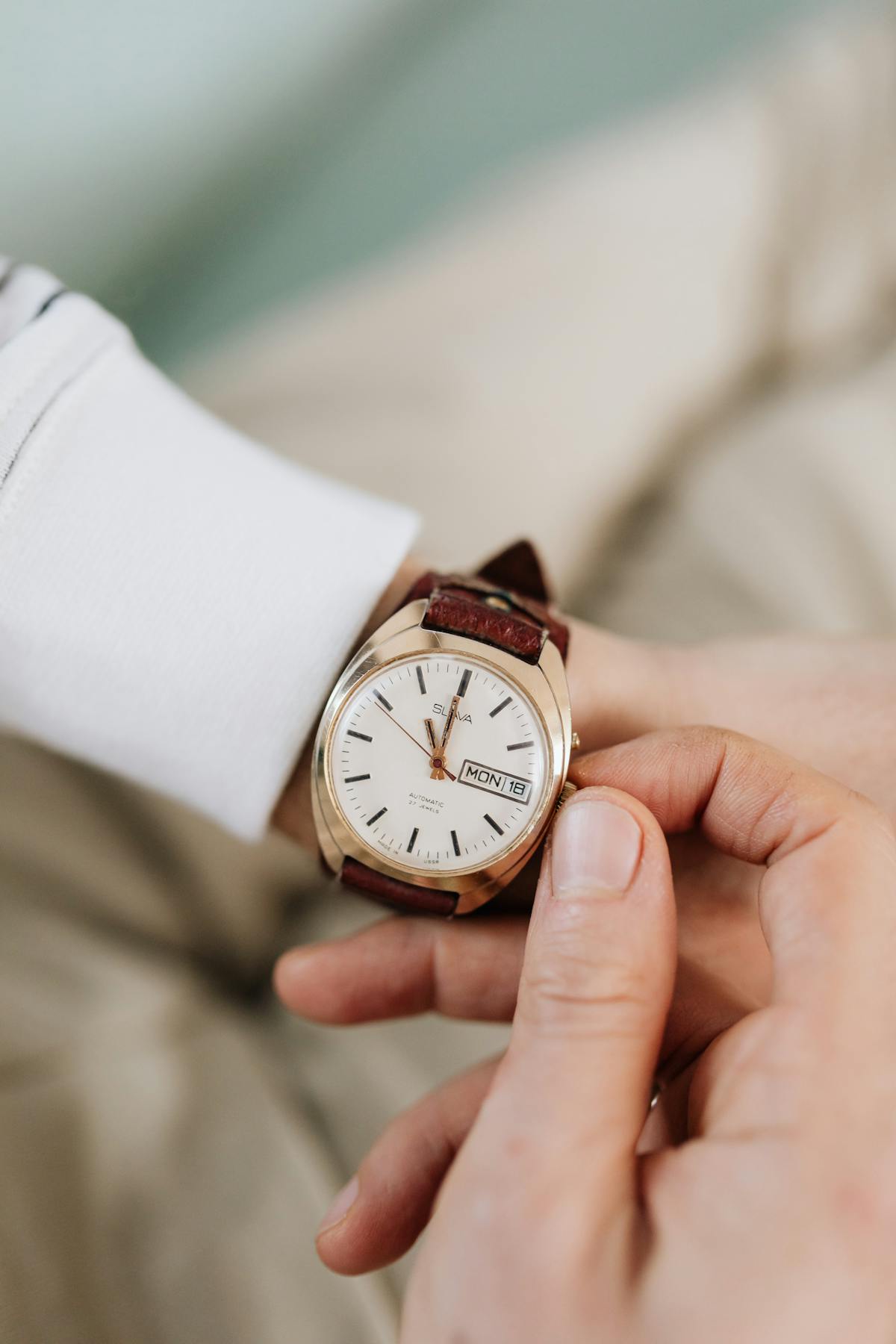
For most of the last decade, the secondary watch market revolved around steel sport watches. Rolex Submariners, Nautilus references, Royal Oaks. Waitlists measured in years. Premiums measured in multiples. The conventional wisdom held: if it isn't on a bracelet with a screw-down crown, it doesn't move.
Gen Z didn't get the memo.
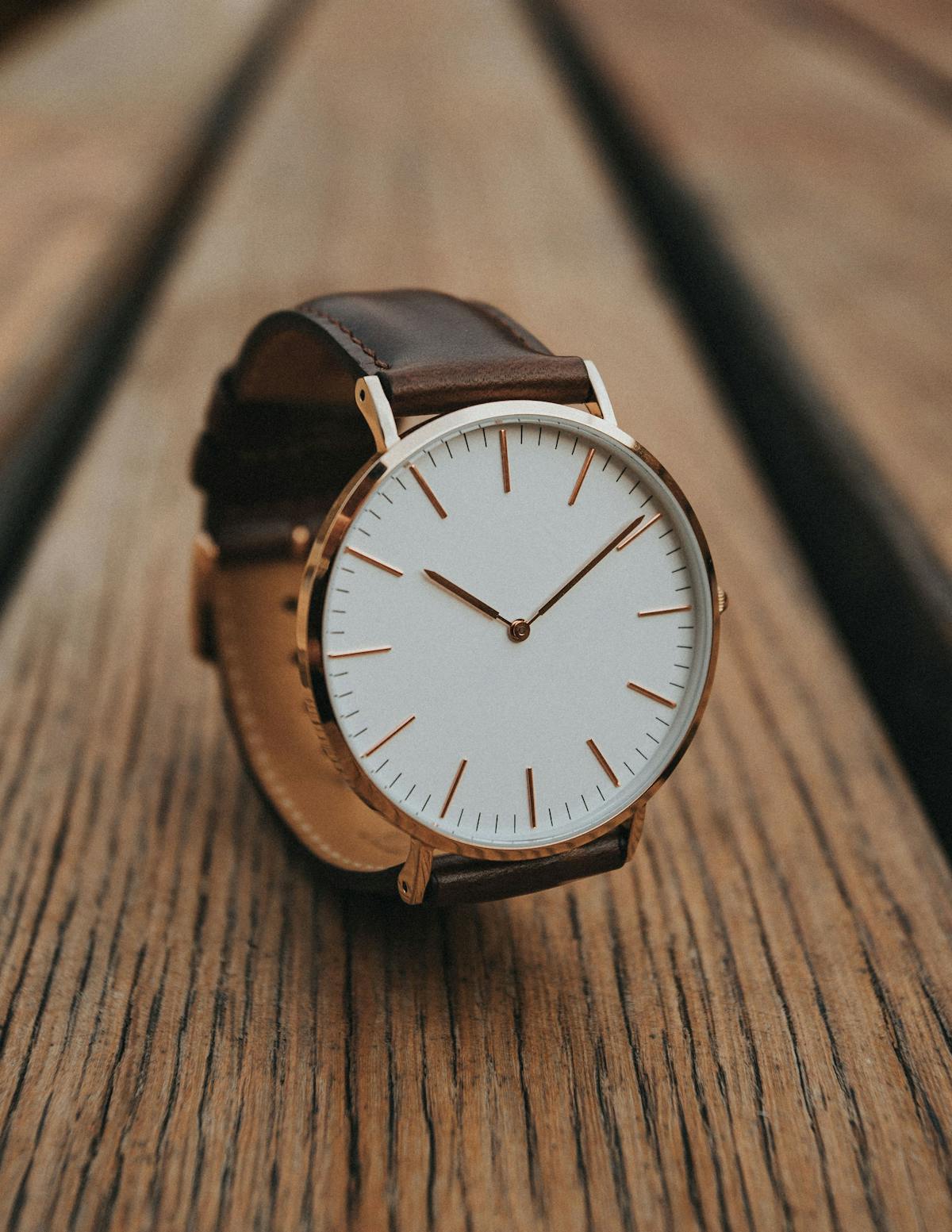
The numbers tell the story
A joint report from Chrono24 and Fratello, published in the first half of 2025, shows that dress watches now account for 12% of all Gen Z purchases on the platform. That's the highest share among any age group. Since 2018, dress watch buying among Gen Z has grown 44%, compared to a 29% average across other demographics. The demand started surging in 2023, though there was a very slight dip in H1 2025 across Asia and North America.
The shift is especially visible in what they're buying. Cartier's share of Gen Z purchases has grown from 1.7% to 6.8% over seven years. That's roughly four times its starting position. By comparison, Cartier grew from 2.9% to 4.8% across the broader market in the same period. The Tank, the Santos-Dumont, the Ballon Bleu: these are now Gen Z calling cards.
"A new generation is reshaping demand, from a pronounced dress watch shift to normalization in previously hyped segments," said José Gaztelu, Chrono24's Chief Growth Officer.
The Cartier effect: design that lasts a century
The Cartier Tank isn't new. Its rectangular case with art deco geometry came to life nearly a century ago, virtually unchanged since its debut. That consistency across generations matters. The Tank has graced the wrists of Clark Gable, Steve McQueen, Andy Warhol, Jackie Kennedy, Princess Diana, and Muhammad Ali. For Gen Z, wearing one feels less like following a trend and more like joining a lineage.
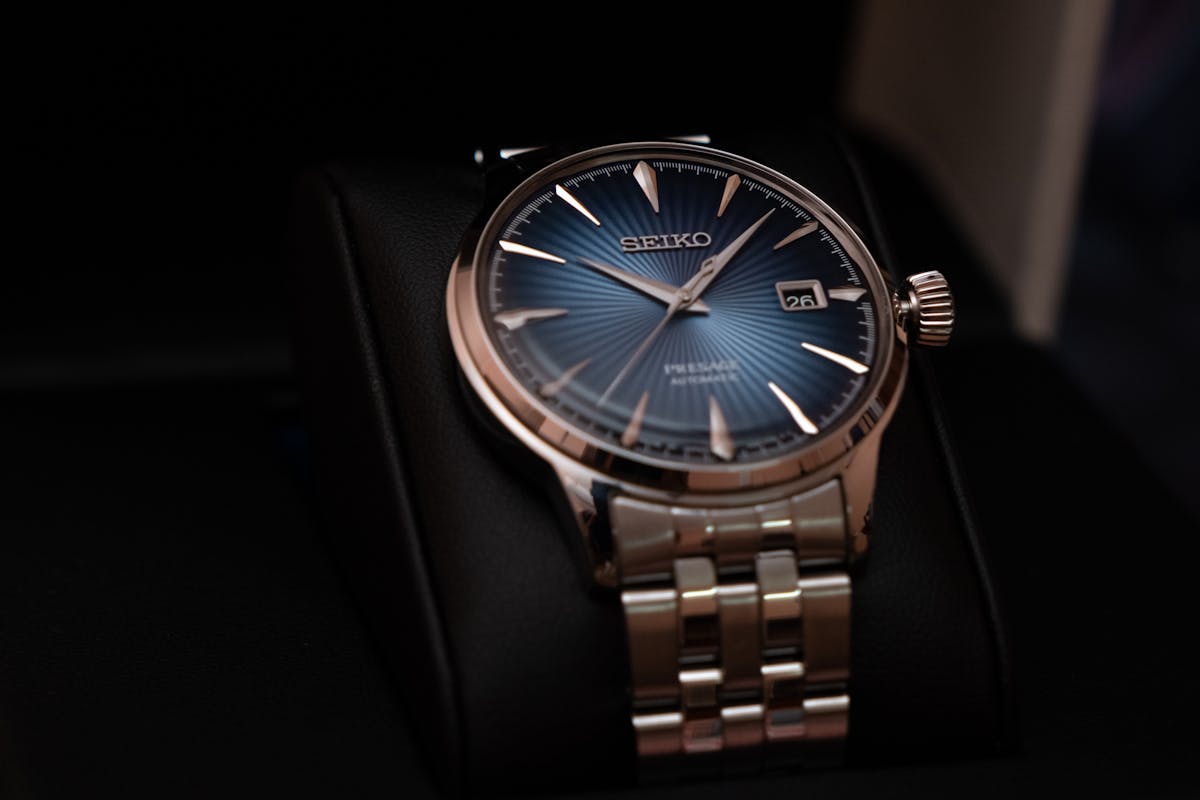
But here's what's interesting: not everyone can afford a vintage Tank. Enter the "dupe" phenomenon. The Timex 1976 Lexington reissue and other affordable alternatives are being called "Gen Z's Cartier" in watch communities, priced around 200 euros. These aren't counterfeits. They're homages that capture the geometry and restraint of the original without the century of heritage pricing attached.
The TikTok layer: "old money" codes
On TikTok, thousands of videos explore what the platform calls "old money" aesthetics. These videos weave together natural fibers, inherited jewelry, polished shoes, and watches that don't need to explain themselves. Videos feature Timothée Chalamet, Jacob Elordi, and other cultural touchstones wearing classic watches. The message is consistent: quiet, timeless, understated. Gen Z has absorbed the signal, and the dress watch fits perfectly.
Dahyn Lee, who runs the vintage watch shop Teia Collective, told CNN that over 45% of her 10,000 Instagram followers are Gen Z. "They grew up in this highly digital environment," she said. "It seems to me that it only intensified their desire for tactile and tangible objects."
Restoring, not replacing
CNN reported on April 1 that Longines' London flagship has noticed a significant uptick in younger customers. Around half of people walking in to service a watch are now under 30. Many arrive with inherited pieces from parents or grandparents, looking to restore rather than replace. A vintage Longines with a new strap and serviced movement becomes personal history. It's a different value proposition than a new sport watch fresh from a dealer.
The data backs up the anecdotes. On Chrono24, the secondary market shows a polarized price distribution: strong demand at entry level (under 2,000 euros) and at the high end (above 20,000 euros), with a quieter middle. Gen Z buyers are either starting small with affordable dress pieces or going straight to high-end references.
What this means for the market
The sport watch isn't dead. Rolex still commands about a third of the secondary market (33.7% share, per the same Chrono24 report), and the Datejust remains its consistent leader. The Daytona recently overtook the Submariner as the second most-traded Rolex collection. But the broader picture is shifting.
Brands that make thin, elegant, design-led watches are gaining ground. Omega is up to 11.3% of the secondary market, Tudor grew 6.8% half-on-half, and IWC is at 4.9% growth. These gains tell a story about where collector attention is moving.
For collectors watching the pre-owned market, the implications are practical. Dress watches that sat at significant discounts five years ago are firming up. Vintage Cartier Tanks, once available for under 2,000 euros, are climbing. If you've been thinking about adding a dress piece to your collection, the window of easy finds is narrowing.
What this signals for watches and wonders 2026
Watches and Wonders opens April 14 in Geneva, and brands are paying attention to this shift. When the biggest luxury watch houses present their new collections, expect to see refined dress pieces, refined dials, and an emphasis on design craft that speaks to Gen Z sensibilities. The brands winning here aren't the ones shouting about specifications. They're the ones confident enough to let a dial speak for itself.
The generation that grew up on smartphones decided they wanted something on their wrist that doesn't need charging. And they picked the styles their grandparents would have recognized. That's not a trend reverting to tradition. It's a generation finding their own form of sophistication.
Sources: Chrono24-Fratello H1 2025 Report, CNN Style, Longines, Teia Collective, JCK Online, Luxury Daily